
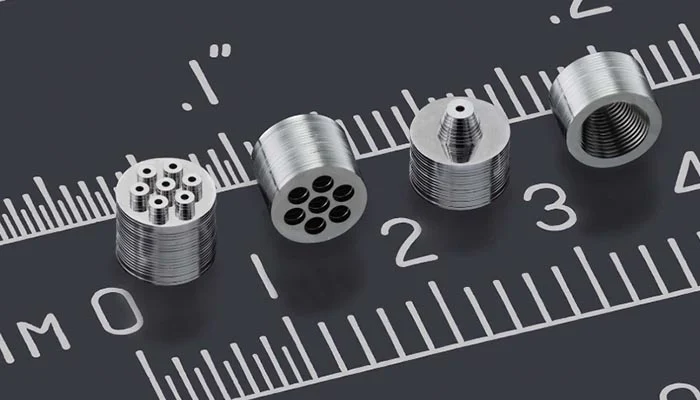

Precision at the Micro Scale: Choosing Between Subtractive and Additive Manufacturing
When engineers need tiny, complex, high-performance components, micro precision manufacturing becomes the critical decision point. Traditional methods like CNC milling have long been the default, but advanced 3D printing technologies are now challenging that standard. Which approach delivers the best results for your micro-scale application? In this guide, we compare subtractive and additive processes specifically for micro precision manufacturing—so you can choose with confidence.
What Is CNC Milling in Micro Precision Manufacturing?
This classic process starts with a solid block of material and uses rotating cutting tools to carve away the excess. It is widely trusted in sectors like aerospace, medical devices, and automotive for its reliability.
Strengths:
High accuracy for many standard geometries.
Broad compatibility with engineering materials, especially metals and plastics.
Excellent surface finish on larger features.
Limitations at the Micro Scale:
Tool access is a barrier: Tiny cutting tools cannot reach deep, narrow internal cavities or create very small internal channels.
Setup is time-consuming: For small batches or prototypes, the cost and lead time for fixturing and tooling can be prohibitive.
Material waste: Subtractive processes remove a significant amount of expensive material, which is a concern for high-value alloys or polymers.
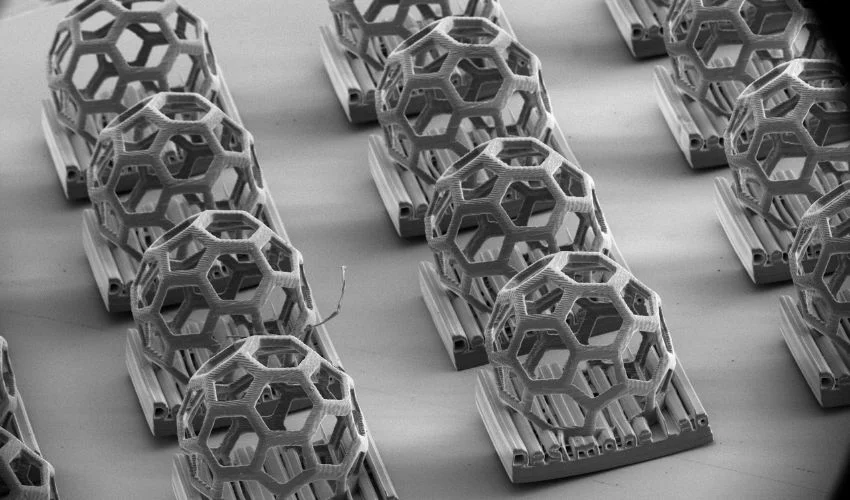
What Is 3D Printing for Micro Precision Manufacturing?
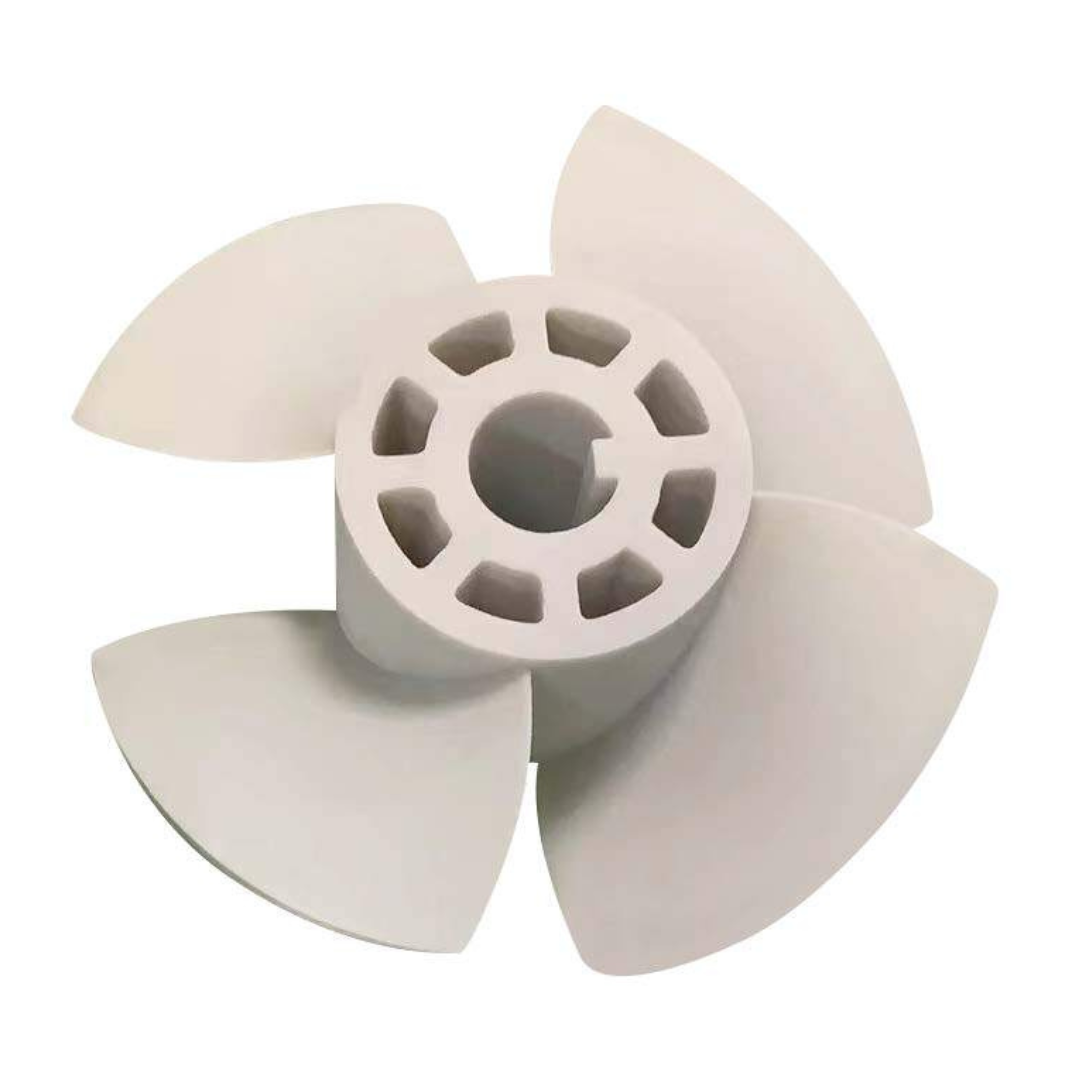
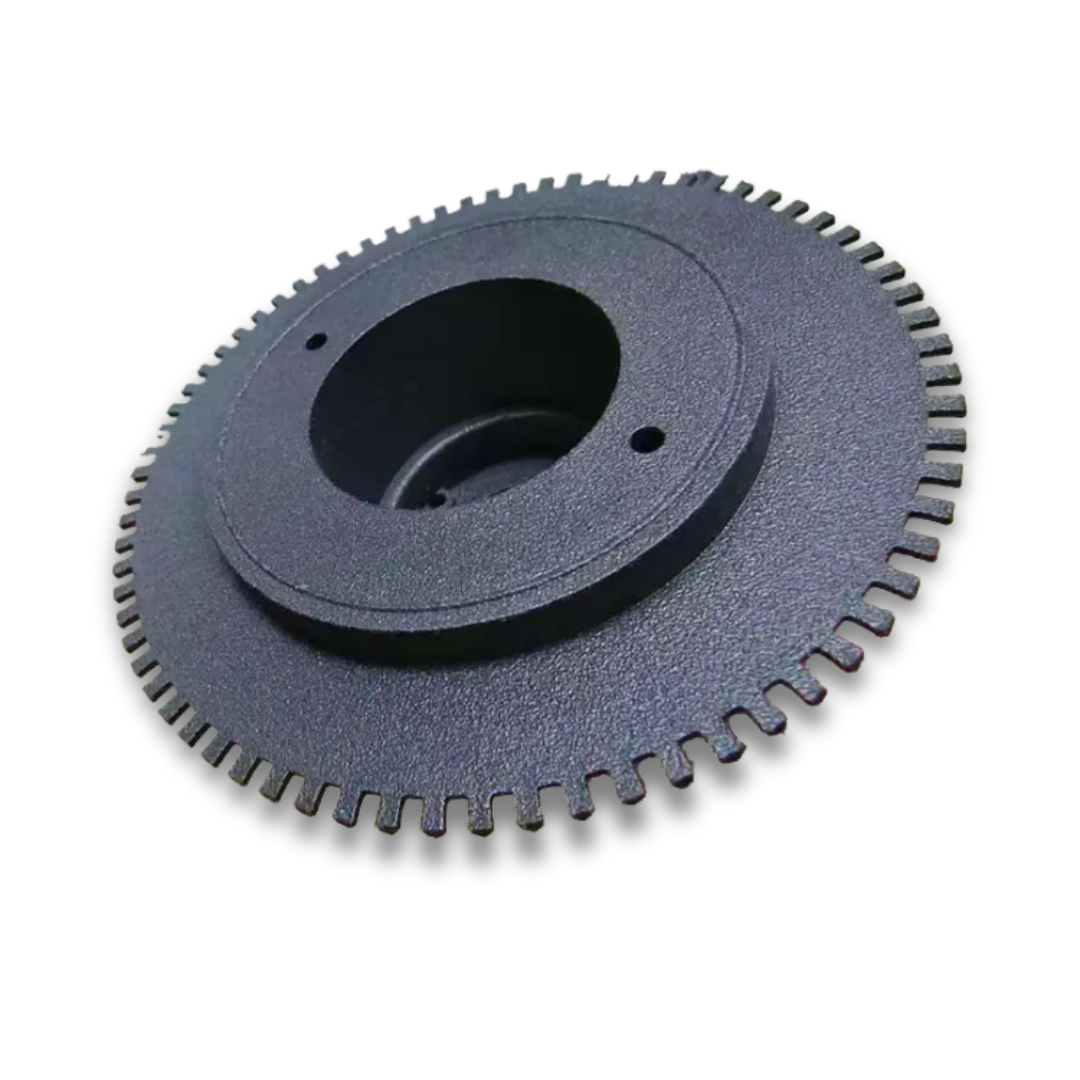
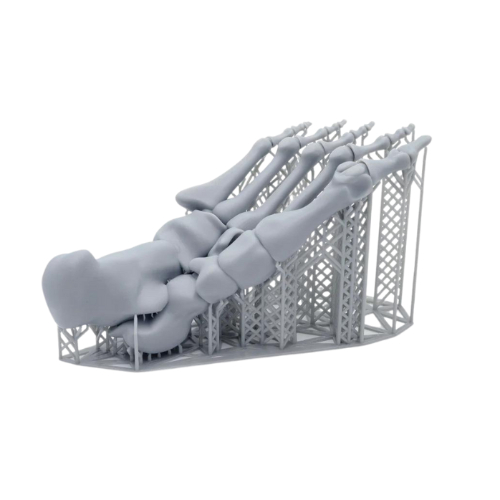
Additive manufacturing builds parts layer by layer from a digital model. While many are familiar with desktop 3D printers, advanced industrial systems now achieve micron-level precision.
Strengths for Microfabrication:
Unmatched design freedom: Complex, organic geometries, internal lattices, and tiny channels are easily achieved.
No tooling required: You go directly from CAD file to physical part, drastically reducing setup time and cost for prototypes and small batches.
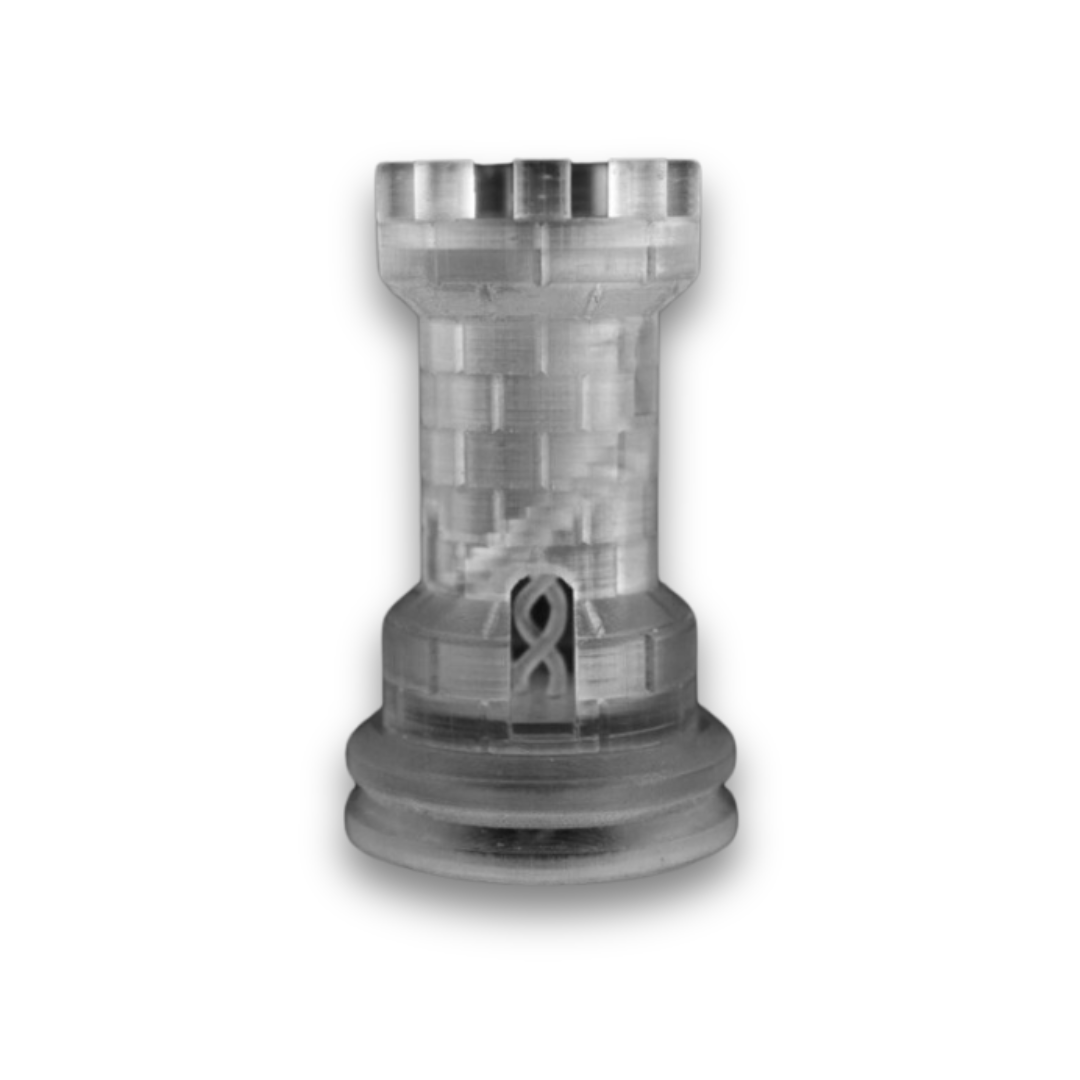
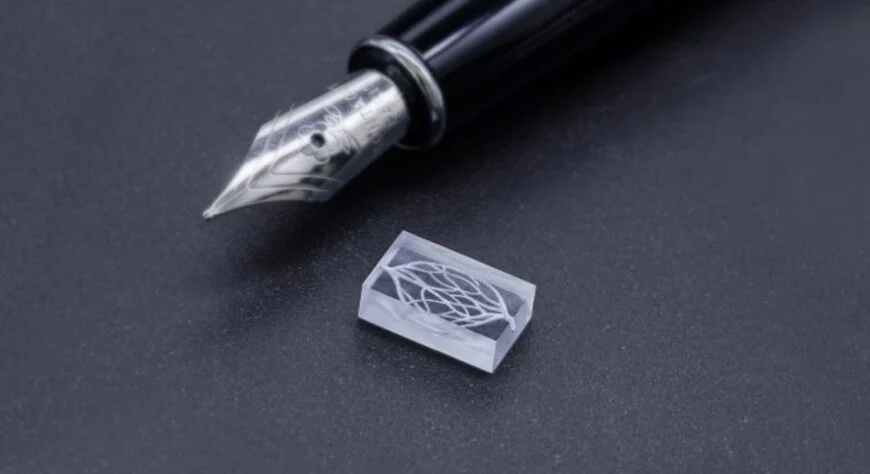
Ideal for very small parts: For components smaller than a dime with features measured in tens of microns, additive methods excel where cutting tools cannot reach.
Limitations:
Surface finish may require post-processing, depending on the technology.
Material options, while growing, can be more specialized than traditional machining.
When 3D Printing Wins for Micro Precision Manufacturing
For micro precision manufacturing of parts with features in the tens of microns, CNC milling hits a physical wall. Cutting tools simply cannot reach tiny internal channels, and material waste becomes prohibitive. That is where advanced micro-3D printing excels.
Real-world micro precision manufacturing applications include:
Endoscope tips with embedded fluid channels
Microfluidic chips with intricate pathways
Microneedle arrays for drug delivery
MEMS packaging and micro-electronics housings
With tolerances as tight as ±10 microns, modern micro precision manufacturing using 3D printing enables innovation in areas CNC cannot reach.
Cost and Time in Micro Precision Manufacturing
For micro-scale parts, the economics are clear. Subtractive methods involve significant upfront tooling and setup costs, making small production runs expensive. In contrast, micro-3D printing eliminates tooling, allowing you to go from CAD to part in under a day. This accelerates prototyping, enables rapid iteration, and scales seamlessly to hundreds of parts per run.
That said, these methods are not mutually exclusive. A hybrid approach often delivers the best results: use subtractive manufacturing for larger structural components or tight-tolerance mounting features, and micro-3D printing for complex internal geometries, integrated sub-assemblies, or parts that would otherwise require multi-step assembly.
Conclusion
The choice between subtractive and additive manufacturing for precision microfabrication depends on your specific needs: part size, geometry complexity, material requirements, and production volume.
Choose subtractive (CNC milling) when: You need larger structural parts, have simple geometries, or require very specific engineering materials.
Choose additive (micro-3D printing) when: Your parts are very small, have complex internal features, require rapid iteration, or involve geometries that cutting tools cannot access.
For the most demanding micro-scale applications, advanced 3D printing technologies are not just an alternative—they are the key to unlocking a new realm of design and performance.
3D Printing Service Malaysia , 3D Printing service Singapore , 3D Printing service KL , 3D Printing service Selangor, 3D Scanning Malaysia
Why Partner with Projet ?
Selecting the right manufacturing technology is important—but choosing the right manufacturing partner is what truly drives success. Companies across the electronics, automotive, consumer products, aerospace, and medical industries trust Projet because we are more than just a supplier; we are a dedicated partner in their success.
Here’s what sets us apart:
A True One-Stop Solution
We provide a seamless experience by offering a comprehensive suite of manufacturing services under one roof. This integrated approach streamlines your supply chain and simplifies the journey from concept to a market-ready product.
Engineering Expertise You Can Count On
Our experienced engineering team acts as a dedicated extension of your own. We excel at solving complex manufacturing challenges and collaborate closely with you to optimize your designs for quality, cost-effectiveness, and manufacturability.
Flexible Production Volumes to Match Your Needs
Whether you require a single prototype or a high-volume production run, our manufacturing capabilities are designed to scale with your demands. We support your product’s entire lifecycle, from initial launch to full-scale production.
Rapid Turnaround for a Faster Time-to-Market
In today’s fast-paced market, speed is a crucial advantage. We deliver fast, transparent quotes and pride ourselves on our rapid turnaround times, helping you get your innovative products to market sooner.
3D Printing Services
Instant Price