
Skip links

Industrial 3D Printing: The Game-Changer Transforming Sports Equipment

How 3D Printing Is Changing Sports Equipment

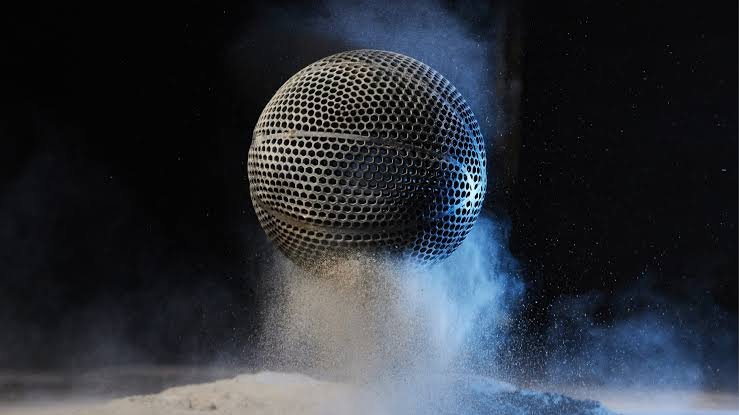
The sports industry is in the middle of a quiet revolution. From helmets to basketballs, additive manufacturing (3D printing) is reshaping how equipment is designed, tested, and produced.

Brands are proving that 3D printing isn’t just for prototyping anymore—it’s becoming a viable path to better performance, mass customization, and faster innovation.

Why 3D Printing in Sports?

Traditional sports manufacturing relies on molding, casting, and tooling—processes that limit design flexibility and slow down development. Additive manufacturing removes those barriers.

Here’s why it’s gaining traction:

  • Design Freedom – Complex structures can be printed that are impossible to create with conventional methods. Engineers can precisely control weight distribution, flexibility, and impact absorption.

  • Mass Customization – One-size-fits-all is becoming outdated. With 3D scanning and printing, equipment can be tailored to an individual athlete’s body and performance needs.

  • Speed to Market – No tooling means faster prototyping. Ideas can go from digital design to physical testing in days, not months.

  • Sustainability – On-demand production reduces waste and inventory costs.
Real-World Impact

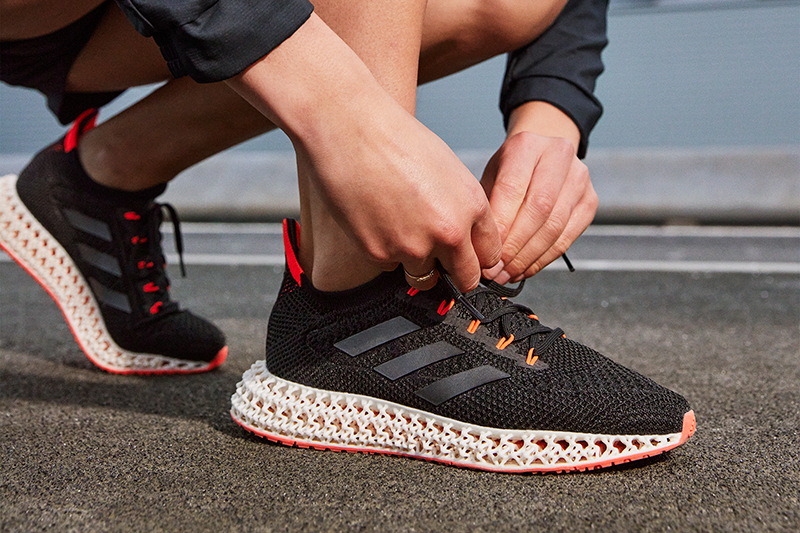
Adidas × Carbon: 4D Footwear

The Challenge: Traditional midsoles offer limited cushioning and support. Performance is often compromised by uniform foam density across the entire sole.

The Solution: Using Carbon’s digital light synthesis technology, Adidas created 3D-printed lattice midsoles with digitally optimized performance zones.

The Results:

  • Lightweight cushioning and support

  • Performance zones optimized for different foot strike patterns

  • Scalable production ready for mass-market release

“A midsole that never breaks in, but rather breaks norms.”


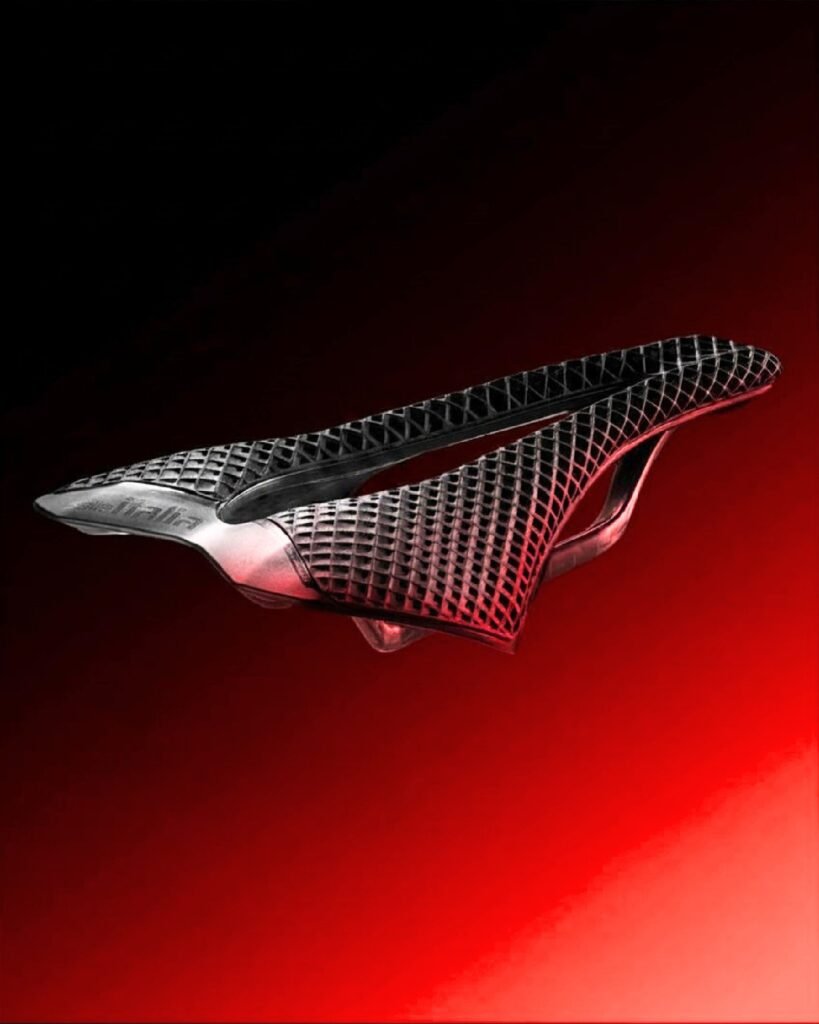
Specialized × Carbon: Mirror Saddles

The Challenge: Conventional bike saddles create pressure points that cause discomfort and reduce blood flow during long rides.

The Solution: Specialized developed 3D-printed saddles with a lattice structure that dynamically responds to rider movement.

The Results:

  • Targeted support where riders need it most

  • Better pressure distribution and breathability

  • Faster design iteration and prototyping

“No two riders are the same—their saddle shouldn’t be either.”

What’s Next?

  • On-Demand Production – Equipment can be printed closer to the customer, reducing inventory and logistics.

  • Sustainability – Less material waste and more efficient use of resources.

  • Performance – Equipment designed as an integrated system with the athlete for better results.
3D Printing Service Malaysia , 3D Printing service Singapore ,  3D Printing service KL , 3D Printing service Selangor, 3D Scanning Malaysia

Why Partner with Projet ?

Selecting the right manufacturing technology is important—but choosing the right manufacturing partner is what truly drives success. Companies across the electronics, automotive, consumer products, aerospace, and medical industries trust Projet because we are more than just a supplier; we are a dedicated partner in their success.

Here’s what sets us apart:

A True One-Stop Solution

We provide a seamless experience by offering a comprehensive suite of manufacturing services under one roof. This integrated approach streamlines your supply chain and simplifies the journey from concept to a market-ready product.

Engineering Expertise You Can Count On

Our experienced engineering team acts as a dedicated extension of your own. We excel at solving complex manufacturing challenges and collaborate closely with you to optimize your designs for quality, cost-effectiveness, and manufacturability.

Flexible Production Volumes to Match Your Needs

Whether you require a single prototype or a high-volume production run, our manufacturing capabilities are designed to scale with your demands. We support your product’s entire lifecycle, from initial launch to full-scale production.

Rapid Turnaround for a Faster Time-to-Market

In today’s fast-paced market, speed is a crucial advantage. We deliver fast, transparent quotes and pride ourselves on our rapid turnaround times, helping you get your innovative products to market sooner.

3D Printing Services

Instant Price

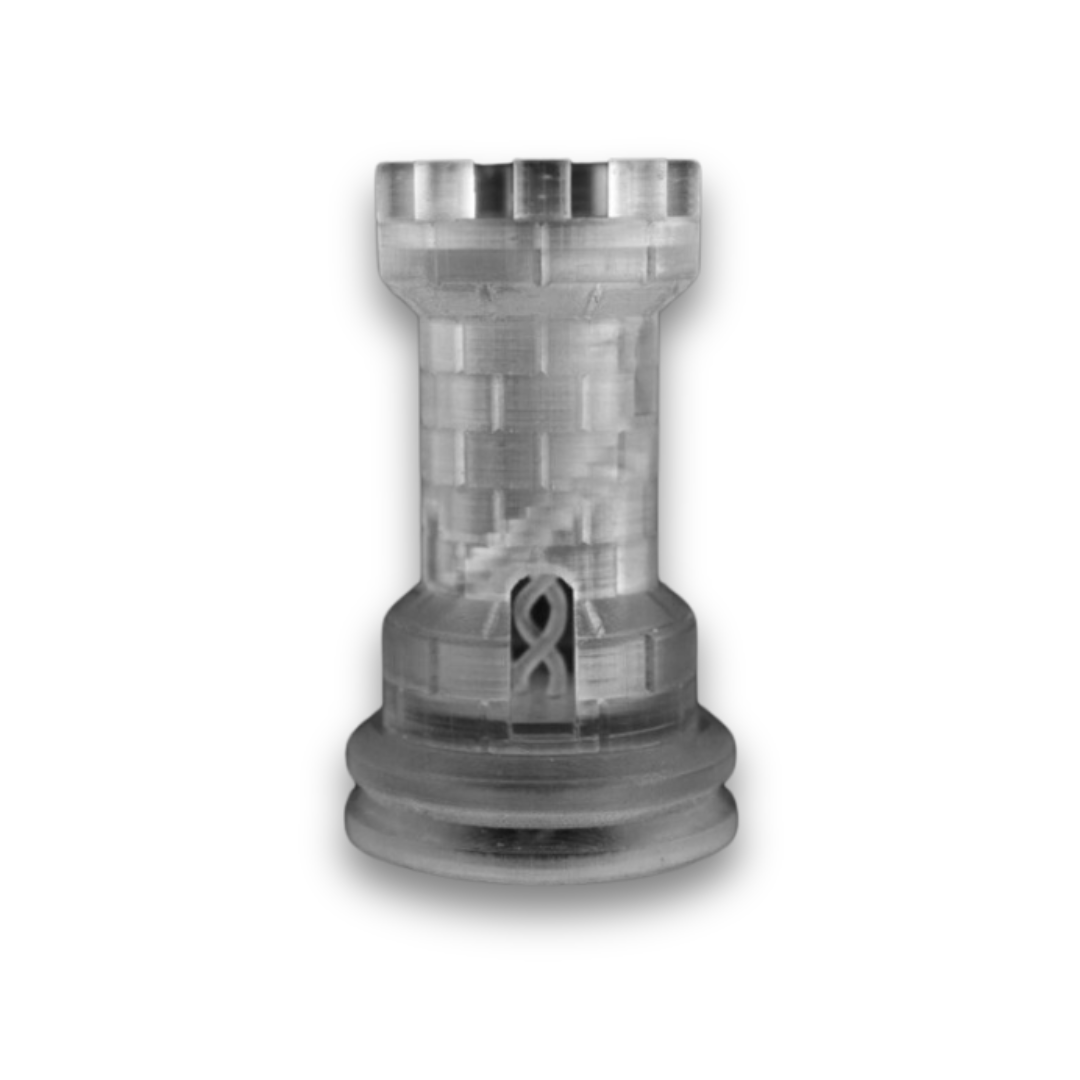
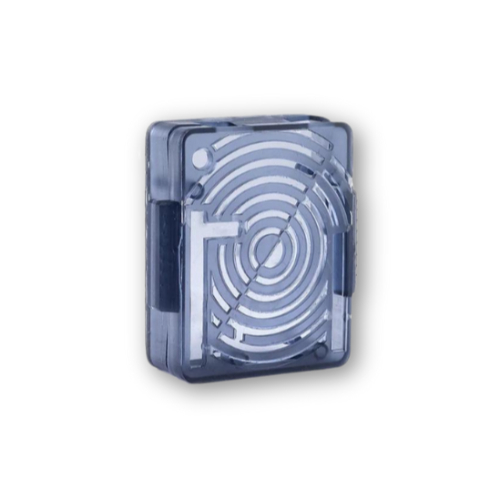
PMMA Like Resin

PMMA Like clear resin has high transparency and anti-yellowing, suitable for high transparency applications in non-high temperature environments. The transparent resin has imitation acrylic, glass appearance.

Suitable for: SLA

Application

  • Prototype
  • End-User part

Application Fields

  • Aerospace: YES
  • Automotive: YES
  • Industrial Machinery: YES
  • Consumer Electronics: YES
  • Automation: YES
  • Medical: YES
  • Education Community: YES

Material Property

  • Density(g/cm3): 1.05
  • Tensile Strength(MPa): 40
  • Flex Modulus(MPa): 40
  • Elongation(%): 32
  • Heat Distortion Temp(°C): –
  • Hardness Shore D: 78

Nylon12 Glass Fibre40 Blue-gray

This grey-blue composite nylon powder, enhanced with 40% glass beads, creates 3D-printed parts with exceptional stiffness and heat resistance. Powder reuse rate can reach up to 100%.

Suitable for: SLS

Application

  • Prototype
  • End-User part

Application Fields

  • Aerospace: YES
  • Automotive: YES
  • Industrial Machinery: YES
  • Consumer Electronics: YES
  • Automation: YES
  • Medical: YES
  • Education Community: YES

Material Property

  • Density(g/cm3): 0.72
  • Tensile Strength(MPa): 46
  • Flex Modulus(MPa): 2,800
  • Elongation(%): –
  • Heat Distortion Temp(°C): 160
  • Hardness Shore D: –

Nylon 12 Glass Fibre 30

PA12GB30 is a high-performance material with excellent chemical, mechanical, and thermal properties, ideal for engineering applications. Compared to PA6, it absorbs significantly less moisture, preserving strength and shape in humid environments. With added glass fiber reinforcement, it offers enhanced durability, stiffness, and stability, making it a reliable choice for demanding conditions.

Suitable for: SLS

Application

  • Prototype
  • End-User part

Application Fields

  • Aerospace: YES
  • Automotive: YES
  • Industrial Machinery: YES
  • Consumer Electronics: YES
  • Automation: YES
  • Medical: YES
  • Education Community: YES

Material Property

  • Density(g/cm3): 1.25
  • Tensile Strength(MPa): 62.6
  • Flex Modulus(MPa): 2,340
  • Elongation(%): 6.8
  • Heat Distortion Temp(°C): 160
  • Hardness Shore D: –

Rubber Like Resin

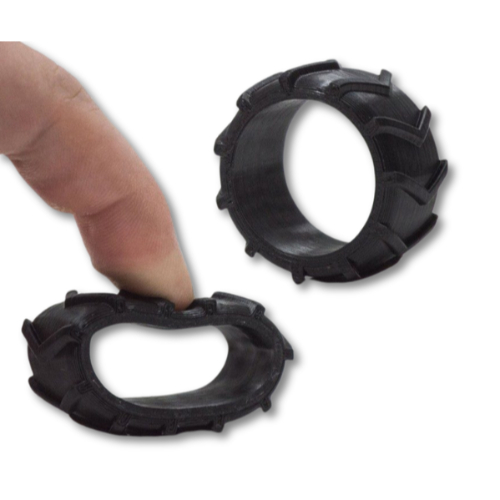
Rubber-like resin has a low tensile modulus and high elongation at break, making it well-suited for objects that will be bent or compressed.

Suitable for: SLA

Application

  • Prototype
  • End-User part

Application Fields

  • Aerospace: YES
  • Automotive: YES
  • Industrial Machinery: YES
  • Consumer Electronics: YES
  • Automation: YES
  • Medical: YES
  • Education Community: YES

Material Property

  • Density(g/cm3): –
  • Tensile Strength(MPa): 7.9
  • Flex Modulus(MPa): –
  • Elongation(%): 255.1
  • Heat Distortion Temp(°C): –
  • Hardness Shore D: 60-75

ABS Like Resin

ABS-like resin excels in high precision, providing a smooth surface quality with exquisite detail features. Known for its superior forming dimensional stability, this resin is ideal for the assembly and testing of various engineering models. Achieving a perfect balance between tensile strength and hardness, it prevents brittleness with its high elongation at break, ensuring resistance to breaking.

Suitable for: SLA

Application

  • Prototype
  • End-User part

Application Fields

  • Aerospace: YES
  • Automotive: YES
  • Industrial Machinery: YES
  • Consumer Electronics: YES
  • Automation: YES
  • Medical: YES
  • Education Community: YES

Material Property

  • Density(g/cm3): 1.05-1.13
  • Tensile Strength(MPa): 42-62
  • Flex Modulus(MPa): 60-80
  • Elongation(%): 11-21
  • Heat Distortion Temp(°C): –
  • Hardness Shore D: 75-80

Nylon-Like Resin

Nylon-like resin is a high-strength material known for its excellent durability and long-term stability. It also boasts exceptional toughness and impact resistance.

Suitable for: SLA

Application

  • Prototype
  • End-User part

Application Fields

  • Aerospace: YES
  • Automotive: YES
  • Industrial Machinery: YES
  • Consumer Electronics: YES
  • Automation: YES
  • Medical: YES
  • Education Community: YES

Material Property

  • Density(g/cm3): 1.05-1.15
  • Tensile Strength(MPa): 68
  • Flex Modulus(MPa): 35
  • Elongation(%): 15
  • Heat Distortion Temp(°C): –
  • Hardness Shore D: 75

Hard Tough Resin

This hard resin boasts higher toughness and impact resistance compared to standard ABS-like resin, making it exceptionally well-suited for mechanical prototypes.

Suitable for: SLA

Application

  • Prototype
  • End-User part

Application Fields

  • Aerospace: YES
  • Automotive: YES
  • Industrial Machinery: YES
  • Consumer Electronics: YES
  • Automation: YES
  • Medical: YES
  • Education Community: YES

Material Property

  • Density(g/cm3): 1.08-1.12
  • Tensile Strength(MPa): 30-60
  • Flex Modulus(MPa): 30-75
  • Elongation(%): 35-52
  • Heat Distortion Temp(°C): 60
  • Hardness Shore D: 75-81

High Temp Resin

High Temp Resin is characterized by high hardness, strength, modulus, and precision. It exhibits resistance to prolonged heating at 120°C or boiling at 100°C, showcasing excellent mechanical properties, weather resistance, and temperature resistance.

Suitable for: SLA

Application

  • Prototype
  • End-User part

Application Fields

  • Aerospace: YES
  • Automotive: YES
  • Industrial Machinery: YES
  • Consumer Electronics: YES
  • Automation: YES
  • Medical: YES
  • Education Community: NO

Material Property

  • Density(g/cm3): 1.09-1.10
  • Tensile Strength(MPa): 70-85
  • Flex Modulus(MPa): 95-105
  • Elongation(%): 35-40
  • Heat Distortion Temp(°C): 100.5
  • Hardness Shore D: 82-84

General Resin

General resin, known for its high rigidity, proves to be a versatile material ideal for both functional testing and rapid prototype.

Suitable for: SLA

Application

  • Prototype

Application Fields

  • Aerospace: NO
  • Automotive: YES
  • Industrial Machinery: NO
  • Consumer Electronics: YES
  • Automation: YES
  • Medical: NO
  • Education Community: YES

Material Property

  • Density(g/cm3): 1.08-1.13
  • Tensile Strength(MPa): 46-67
  • Flex Modulus(MPa): 46-72
  • Elongation(%): 28-36
  • Heat Distortion Temp(°C): –
  • Hardness Shore D: 78-82

Ultem1010 PEI (Polyetherimide)

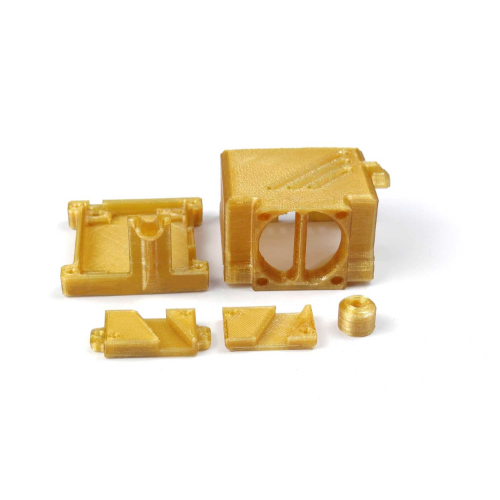
PEI is a high-performance industrial-grade thermoplastic known for its strength, durability, and low flammability. This versatile material finds applications in various industries, including automotive, aerospace, medicine, and dentistry.

Suitable for: FDM

Application

  • Prototype
  • End-User part

Application Fields

  • Aerospace: YES
  • Automotive: YES
  • Industrial Machinery: YES
  • Consumer Electronics: NO
  • Automation: YES
  • Medical: NO
  • Education Community: NO

Material Property

  • Density(g/cm3): 1.27
  • Tensile Strength(MPa): 90
  • Flex Modulus(MPa): 3427
  • Elongation(%): 3.3
  • Heat Distortion Temp(°C): 207
  • Hardness Shore D: –

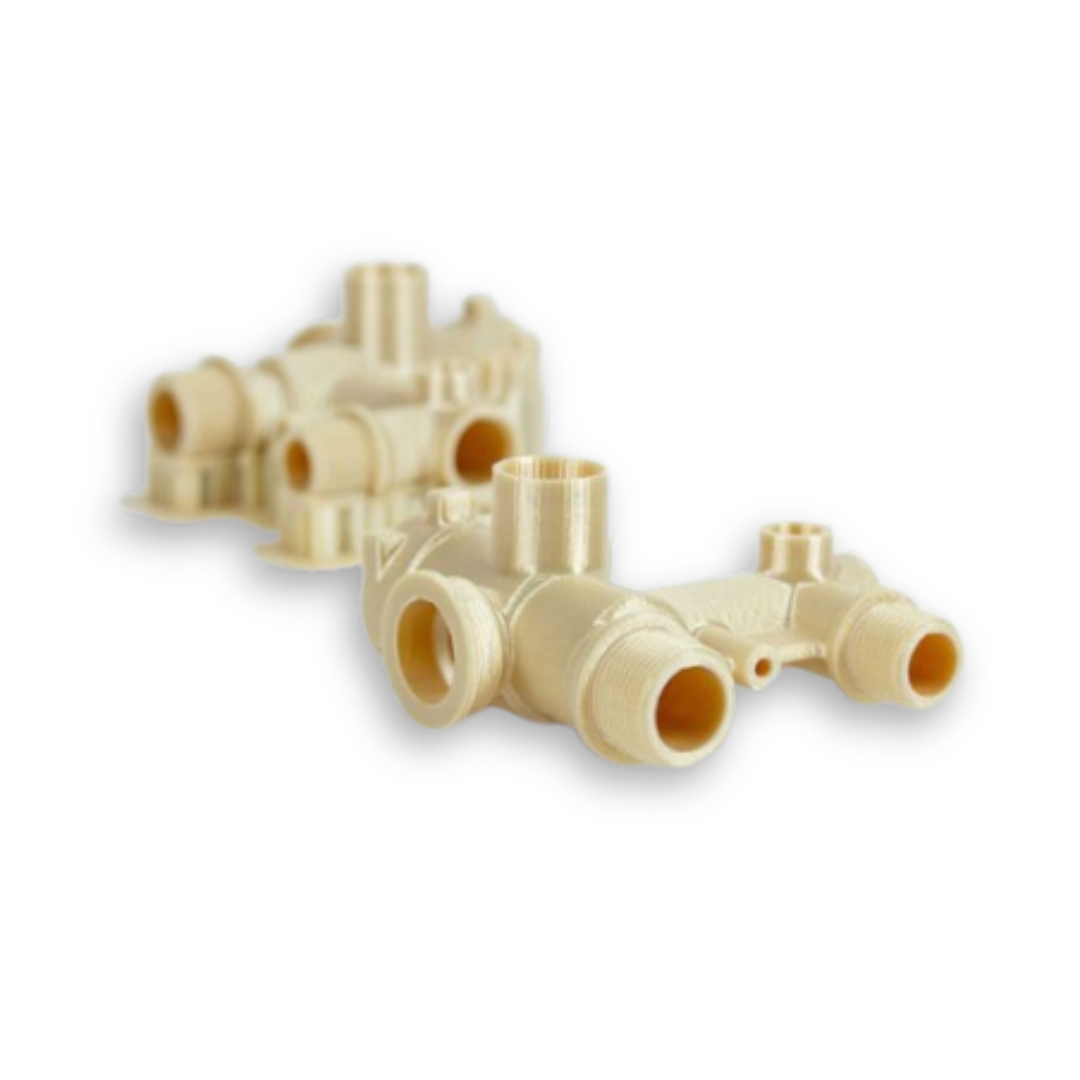
Ultem9085 PEI (Polyetherimide)

PEI is a high-performance industrial-grade thermoplastic known for its strength, durability, and low flammability. This versatile material finds applications in various industries, including automotive, aerospace, medicine, and dentistry.

Suitable for: FDM

Application

  • Prototype
  • End-User part

Application Fields

  • Aerospace: YES
  • Automotive: YES
  • Industrial Machinery: YES
  • Consumer Electronics: NO
  • Automation: YES
  • Medical: NO
  • Education Community: NO

Material Property

  • Density(g/cm3): 1.34
  • Tensile Strength(MPa): 86
  • Flex Modulus(MPa): 2340
  • Elongation(%): 4
  • Heat Distortion Temp(°C): 150
  • Hardness Shore D: –

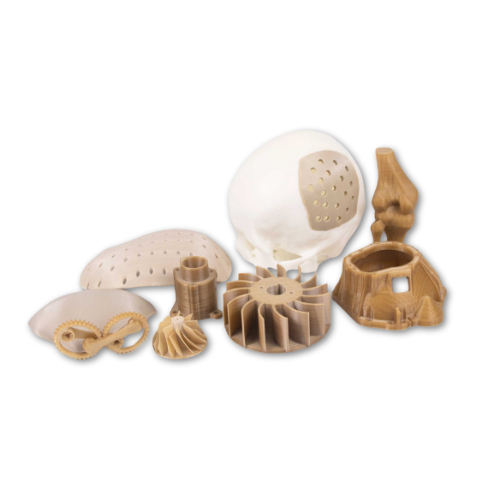
PEEK (Polyether ether ketone)

PEEK (polyetheretherketone) is a high-performance semi-crystalline industrial thermoplastic known for its exceptional resistance to harsh chemicals, minimal moisture absorption, excellent fire performance, superior mechanical strength over a wide temperature range, and reliable dimensional stability.

Suitable for: FDM

Application

  • Prototype
  • End-User part

Application Fields

  • Aerospace: YES
  • Automotive: YES
  • Industrial Machinery: YES
  • Consumer Electronics: YES
  • Automation: YES
  • Medical: YES
  • Education Community: YES

Material Property

  • Density(g/cm3): 1.29
  • Tensile Strength(MPa): 100
  • Flex Modulus(MPa): 4200
  • Elongation(%): 40
  • Heat Distortion Temp(°C): 140
  • Hardness Shore D: –

PET-CF (Carbon fiber reinforced polyethylene terephthalate)

PET-CF emerges as a superior choice over nylon for printing functional parts in high-humidity environments. Its high-temperature resistance and minimal warping make it ideal for crafting mechanical assembly parts, including automotive accessories and fixtures. In comparison to PETG-CF, PET-CF contains a higher concentration of carbon fibre, resulting in significantly greater strength and high temperature resistance.

Suitable for: FDM

Application

  • Prototype
  • End-User part

Application Fields

  • Aerospace: YES
  • Automotive: YES
  • Industrial Machinery: YES
  • Consumer Electronics: YES
  • Automation: YES
  • Medical: YES
  • Education Community: YES

Material Property

  • Density(g/cm3): 1.29
  • Tensile Strength(MPa): 131
  • Flex Modulus(MPa): 5320
  • Elongation(%): 1.2
  • Heat Distortion Temp(°C): 205
  • Hardness Shore D: –

PAHT-CF (High temperature polyamide carbon fiber reinforced)

A composite of PA and carbon fibre, merges the low water absorption advantage of PA with the high-performance attributes of carbon fibre. This combination yields excellent mechanical and thermal properties that remain robust even in wet conditions. PA+CF is prized for its outstanding chemical resistance, low moisture absorption, and versatile processing capabilities.

Suitable for: FDM

Application

  • Prototype
  • End-User part

Application Fields

  • Aerospace: YES
  • Automotive: YES
  • Industrial Machinery: YES
  • Consumer Electronics: YES
  • Automation: YES
  • Medical: YES
  • Education Community: YES

Material Property

  • Density(g/cm3): 1.06
  • Tensile Strength(MPa): 125
  • Flex Modulus(MPa): 4230
  • Elongation(%): 1.8
  • Heat Distortion Temp(°C): 194
  • Hardness Shore D: –

PLA-CF (Carbon fiber reinforced polylactic acid)

Carbon fibber reinforced PLA, stands out for its remarkable increase in stiffness and strength. This cutting-edge bio-polymer, when combined with recycled carbon fibber reinforcement, results in a higher mechanical properties

Suitable for: FDM

Application

  • Prototype
  • End-User part

Application Fields

  • Aerospace: YES
  • Automotive: YES
  • Industrial Machinery: YES
  • Consumer Electronics: YES
  • Automation: YES
  • Medical: YES
  • Education Community: YES

Material Property

  • Density(g/cm3): 1.22
  • Tensile Strength(MPa): 89
  • Flex Modulus(MPa): 3950
  • Elongation(%): 3.2
  • Heat Distortion Temp(°C): 55
  • Hardness Shore D: –

ESD-safe (Electrostatic discharge)

It exhibits excellent antistatic performance, making it particularly suitable for fields that require ESD protection.

Suitable for: FDM

Application

  • Prototype
  • End-User part

Application Fields

  • Aerospace: YES
  • Automotive: YES
  • Industrial Machinery: YES
  • Consumer Electronics: YES
  • Automation: YES
  • Medical: YES
  • Education Community: YES

Material Property

  • Density(g/cm3): 1.08-1.11
  • Tensile Strength(MPa): 55
  • Flex Modulus(MPa): 2300
  • Elongation(%): 5
  • Heat Distortion Temp(°C): 95
  • Surface Resistance: 107 and 109 ohms Ω

UL 94-V0

It possesses higher mechanical properties and is halogen-free, environmentally friendly, and flame retardant, achieving a UL94V-0 level flame retardancy. This makes the product more fireproof and safer.

Suitable for: FDM

Application

  • Prototype
  • End-User part

Application Fields

  • Aerospace: YES
  • Automotive: YES
  • Industrial Machinery: YES
  • Consumer Electronics: YES
  • Automation: YES
  • Medical: NO
  • Education Community: YES

Material Property

  • Density(g/cm3): 1.05
  • Tensile Strength(MPa): 35
  • Flex Modulus(MPa): 2280
  • Elongation(%): 10
  • Heat Distortion Temp(°C): 100
  • Hardness Shore D: –

ASA (Acrylonitrile styrene acrylate)

ASA shares excellent mechanical properties with ABS but offers additional benefits. It is more resistant to ultraviolet rays and harsh weather conditions, making it particularly suitable for outdoor use. ASA boasts strong toughness, rigidity, and high impact resistance.

Suitable for: FDM

Application

  • Prototype
  • End-User part

Application Fields

  • Aerospace: NO
  • Automotive: YES
  • Industrial Machinery: YES
  • Consumer Electronics: YES
  • Automation: YES
  • Medical: NO
  • Education Community: YES

Material Property

  • Density(g/cm3): 1
  • Tensile Strength(MPa): 45
  • Flex Modulus(MPa): 1900
  • Elongation(%): 30
  • Heat Distortion Temp(°C): 86
  • Hardness Shore D: –

PP (Polypropylene)

Polypropylene (PP) is a popular material in 3D printing, valued for its versatility, strength, and chemical resistance. This lightweight and flexible plastic stands up well to acids, bases, and organic solvents, making it suitable for a range of applications. Additionally, PP is considered food-safe, though standard 3D printing food safety guidelines should still be followed.

Suitable for: FDM

Application

  • Prototype
  • End-User part

Application Fields

  • Aerospace: YES
  • Automotive: YES
  • Industrial Machinery: YES
  • Consumer Electronics: YES
  • Automation: YES
  • Medical: YES
  • Education Community: YES

Material Property

  • Density(g/cm3): 1.05
  • Tensile Strength(MPa): 26
  • Flex Modulus(MPa): 1200
  • Elongation(%): 30
  • Heat Distortion Temp(°C): 60-80
  • Hardness Shore D: –

PC (Polycarbonates)

PC is a high-performance material known for its toughness, heat resistance, dimensional stability, and high optical clarity. It exhibits excellent mechanical properties, high toughness, and impact resistance, making it stable and durable. Additionally, PC offers impressive temperature resistance, with a heat distortion temperature up to 80 ℃.

Suitable for: FDM

Application

  • Prototype
  • End-User part

Application Fields

  • Aerospace: YES
  • Automotive: YES
  • Industrial Machinery: YES
  • Consumer Electronics: YES
  • Automation: YES
  • Medical: YES
  • Education Community: YES

Material Property

  • Density(g/cm3): 1.21
  • Tensile Strength(MPa): 54
  • Flex Modulus(MPa): 1073
  • Elongation(%): 150
  • Heat Distortion Temp(°C): 80
  • Hardness Shore D: –

Nylon / PA (Polyamide)

Nylon is a versatile material known for its good flexibility, wear resistance, and high strength-to-weight ratio. PA12, in particular, exhibits high toughness and impact resistance.

Suitable for: FDM

Application

  • Prototype
  • End-User part

Application Fields

  • Aerospace: YES
  • Automotive: YES
  • Industrial Machinery: YES
  • Consumer Electronics: YES
  • Automation: YES
  • Medical: YES
  • Education Community: YES

Material Property

  • Density(g/cm3): 1.21
  • Tensile Strength(MPa): 50
  • Flex Modulus(MPa): 659
  • Elongation(%): 165
  • Heat Distortion Temp(°C): 100
  • Hardness Shore D: –

HIPS

HIPS is a multifunctional material. It shares many mechanical properties with ABS plastic, but as the name suggests, it has a much higher resistance to impact. This added strength makes HIPS an excellent choice for creating durable 3D-printed parts that can withstand everyday wear and tear.

Suitable for: FDM

Application

  • Prototype
  • End-User part

Application Fields

  • Aerospace: YES
  • Automotive: YES
  • Industrial Machinery: YES
  • Consumer Electronics: YES
  • Automation: YES
  • Medical: YES
  • Education Community: YES

Material Property

  • Density(g/cm3): 1.04
  • Tensile Strength(MPa): 40
  • Flex Modulus(MPa): 1600
  • Elongation(%): 18
  • Heat Distortion Temp(°C): 80
  • Hardness Shore D: –

TPU (Thermoplastic polyurethane)

TPU material is renowned for its excellent flexibility, high elasticity, tear resistance, wear resistance, cut resistance, sturdiness, and durability.

Suitable for: FDM

Application

  • Prototype
  • End-User part

Application Fields

  • Aerospace: YES
  • Automotive: NO
  • Industrial Machinery: YES
  • Consumer Electronics: YES
  • Automation: YES
  • Medical: NO
  • Education Community: YES

Material Property

  • Density(g/cm3): 1.21
  • Tensile Strength(MPa): 35
  • Flex Modulus(MPa): –
  • Elongation(%): ≥800
  • Heat Distortion Temp(°C): –
  • Hardness Shore D: 95A

PETG (Polyethylene terephthalate glycol)

PETG is a robust material known for its odor neutrality and ease of printing. These characteristics, combined with high impact strength, flexibility, low shrinkage, water resistance, chemical resistance, and high toughness, make PETG an excellent choice for a variety of applications.

Suitable for: FDM

Application

  • Prototype
  • End-User part

Application Fields

  • Aerospace: NO
  • Automotive: YES
  • Industrial Machinery: YES
  • Consumer Electronics: YES
  • Automation: YES
  • Medical: YES
  • Education Community: YES

Material Property

  • Density(g/cm3): 1.27
  • Tensile Strength(MPa): 52
  • Flex Modulus(MPa): 1073
  • Elongation(%): 83
  • Heat Distortion Temp(°C): 64
  • Hardness Shore D: –

ABS (Acrylonitrile butadiene styrene)

ABS is a lightweight material known for its high impact resistance. These characteristics, coupled with a high heat deflection temperature, render ABS suitable for a wide range of applications and environments.

Suitable for: FDM

Application

  • Prototype
  • End-User part

Application Fields

  • Aerospace: YES
  • Automotive: YES
  • Industrial Machinery: YES
  • Consumer Electronics: YES
  • Automation: YES
  • Medical: NO
  • Education Community: YES

Material Property

  • Density(g/cm3): 1.06
  • Tensile Strength(MPa): 40
  • Flex Modulus(MPa): 1203
  • Elongation(%): 30
  • Heat Distortion Temp(°C): 73
  • Hardness Shore D: –

PLA (Polylactic acid)

PLA is an environmentally friendly biopolymer-based material that is both stiff and easy to print. It is available in a wide variety of colours.

Suitable for: FDM

Application

  • Prototype

Application Fields

  • Aerospace: NO
  • Automotive: YES
  • Industrial Machinery: NO
  • Consumer Electronics: YES
  • Automation: YES
  • Medical: NO
  • Education Community: YES

Material Property

  • Density(g/cm3): 1.23
  • Tensile Strength(MPa): 60
  • Flex Modulus(MPa): 1973
  • Elongation(%): 20
  • Heat Distortion Temp(°C): 40
  • Hardness Shore D: –