
Skip links

The State of Additive Manufacturing (3D Printing) in Malaysia: Ecosystem, Growth, and Opportunities

Industrial production is reaching a global tipping point. Moving past niche markets, Additive Manufacturing (AM)—commonly known as 3D printing—is revolutionizing how the world makes things.

Unlike traditional subtractive methods like milling or machining that cut material away, AM builds parts layer by layer from digital models. This approach is not just a novel technological trick; it is a fundamental shift that allows for lighter, stronger components and incredibly intricate systems that were previously impossible to manufacture.

Fueled by rapid advancements in machine speed, material diversity, and software accuracy, AM is now mainstream. For Malaysia, a global manufacturing hub, embracing this shift is crucial. Aligned with government initiatives promoting Environmental, Social, and Governance (ESG), additive manufacturing offers a pathway to sustainable, high-value economic growth.

Here is a deep dive into the ecosystem of additive manufacturing in Malaysia and the opportunities it presents.

The Sustainability Edge: AM and ESG

Beyond sheer speed, additive manufacturing is a cornerstone of modern sustainable manufacturing strategies. It directly addresses key ESG goals:

  • Enhanced Product Design: Engineers can design stronger structures using significantly less material, often consolidating complex assemblies into single, robust components.

  • Streamlined Manufacturing: AM inherently reduces scrap waste. It promotes the reuse of surplus powder and aligns manufacturing processes with circular economy principles.

  • Agile Supply Chains: 3D printing enables on-demand production closer to the point of consumption. This decentralization drastically reduces carbon emissions from logistics and minimizes costly physical inventory.

Global Growth and the Malaysian Opportunity

The trajectory of 3D printing is undeniable. The global additive manufacturing market has been projected to grow at an annualized rate of 15%, surging from $5.31B in 2015 to an estimated $21.50B by 2025. Currently, the aerospace, automotive, and medical sectors dominate more than half of this market.

Why Malaysia Must Act Now

Malaysia has already proven its resilience. Despite pandemic challenges, local industries successfully leveraged 3D printing for mass customization and rapid response.

However, to maintain competitiveness globally, Malaysia must accelerate its transition from traditional methods to high-value, innovation-driven production. Key sectors—including automotive, medical devices, aviation, and electronics—face a critical juncture: adopt additive manufacturing or risk losing ground to regional competitors.

With modern AM technology moving far beyond prototyping into full-scale production, Malaysia stands to transform its entire production value chain. The Malaysian Investment Development Authority (MIDA) is strategically positioned to support this transition, helping industries boost efficiency, profitability, and high-value output.

The Core Pillars of Malaysia’s AM Ecosystem

A thriving additive manufacturing ecosystem relies on four interdependent components: hardware, materials, software, and service providers.

  1. 1. Manufacture of 3D Printers (Hardware)

    The market has seen a surge in system manufacturers leading technological advancements. These solutions generally fall into two categories:

    • Industrial Grade Systems: High-end machines designed for mass production and heavy-duty applications in aerospace and automotive.

    • Desktop 3D Printers: Accessible, smaller-footprint machines used for rapid prototyping, education, and small-batch customizing.

    2. Manufacture of Materials

    The versatility of 3D printing is defined by its materials. The range of raw materials available in the Malaysian ecosystem is expanding rapidly:

    • Polymers (Plastics): The most common entry point. Thermoplastic powders and filaments are popular due to their cost-effectiveness and user-friendly properties for standard parts.

    • Metals: For applications demanding superior strength, heat resistance, and durability. Common materials include stainless steel, titanium, aluminium, and even precious metals like gold and silver.

    • Niche and Advanced Materials:

      • Biomaterials: Specialized materials like silicon, calcium phosphate, and zinc play a pivotal role in the medical field for bone reconstruction and tissue engineering.

      • Ceramics: Materials like zirconia and alumina are increasingly adopted for high-performance applications requiring heat and chemical resistance.

    3. Software for 3D Printers

    Software is the digital backbone of AM. It translates complex 3D CAD model data into essential instructions (G-code) that guide the printer layer by layer during production.

    4. 3D Printing Services

    Not every company needs to own industrial printers. A robust service sector is vital. This ranges from individual operators with desktop setups to large-scale service bureaus offering extensive industrial capabilities, post-processing, and global supply chain reach.

Government Policy: The Catalyst for Growth

Malaysia’s government recognizes AM as a vital component of its future economy, creating a supportive ecosystem through key national policies.

Industry4WRD: National Policy on Industry 4.0

Spanning 2018 to 2025, Industry4WRD is the blueprint for revolutionizing Malaysia’s manufacturing sector. Additive manufacturing is highlighted as one of the key technology pillars within this strategy, with specific incentives designed to promote its adoption across SMEs and MNCs alike.

Conclusion

Adopting additive manufacturing is no longer optional; it is crucial for Malaysia to maintain its status as a competitive global manufacturing hub. By leveraging this technology, Malaysia can unlock sustainable economic growth, access new international markets, and secure its leadership in the era of Industry 4.0.

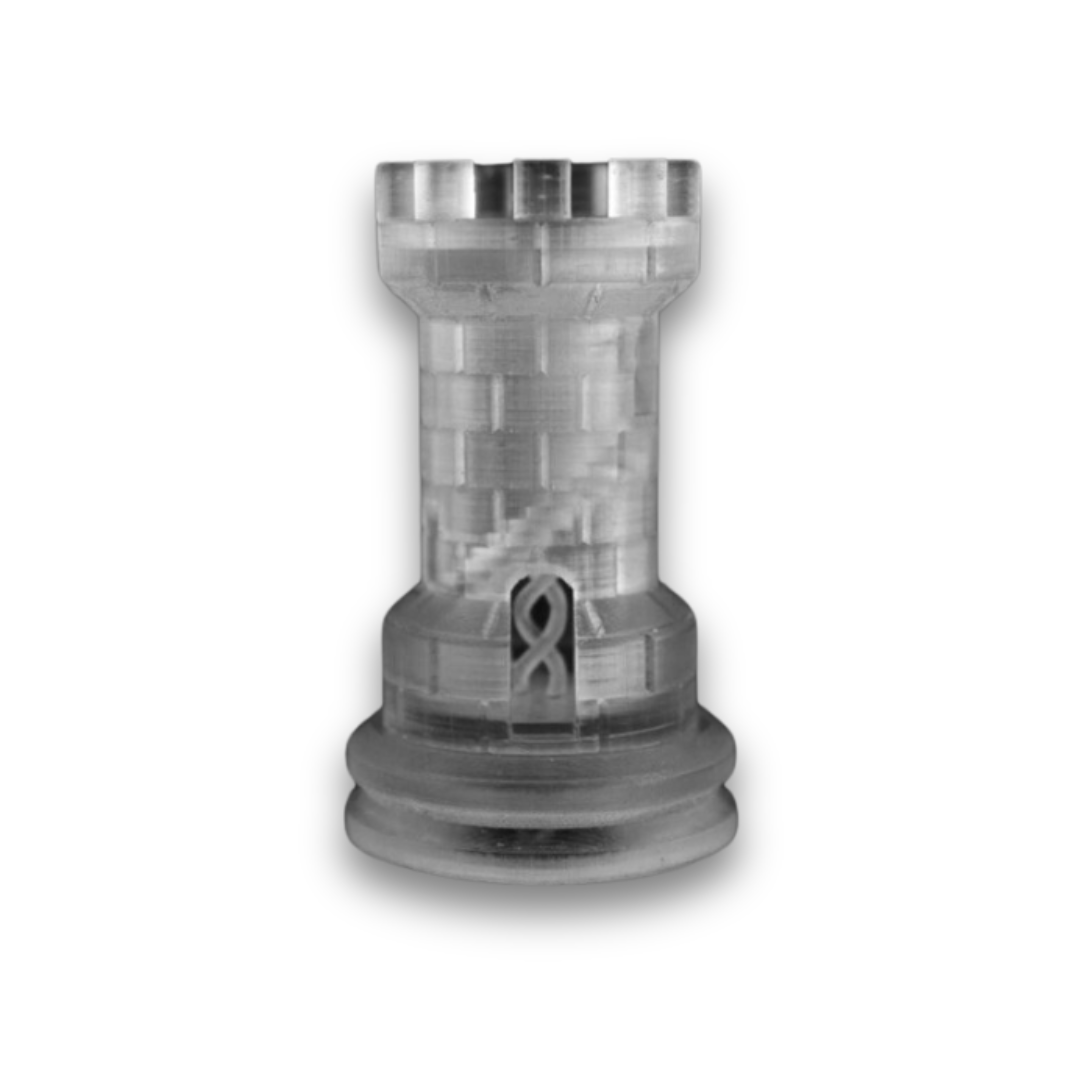
PMMA Like Resin

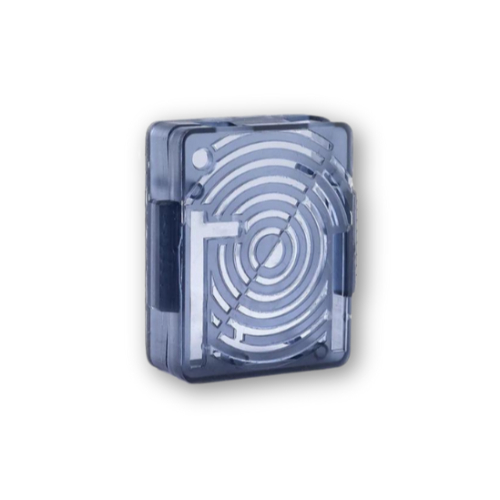
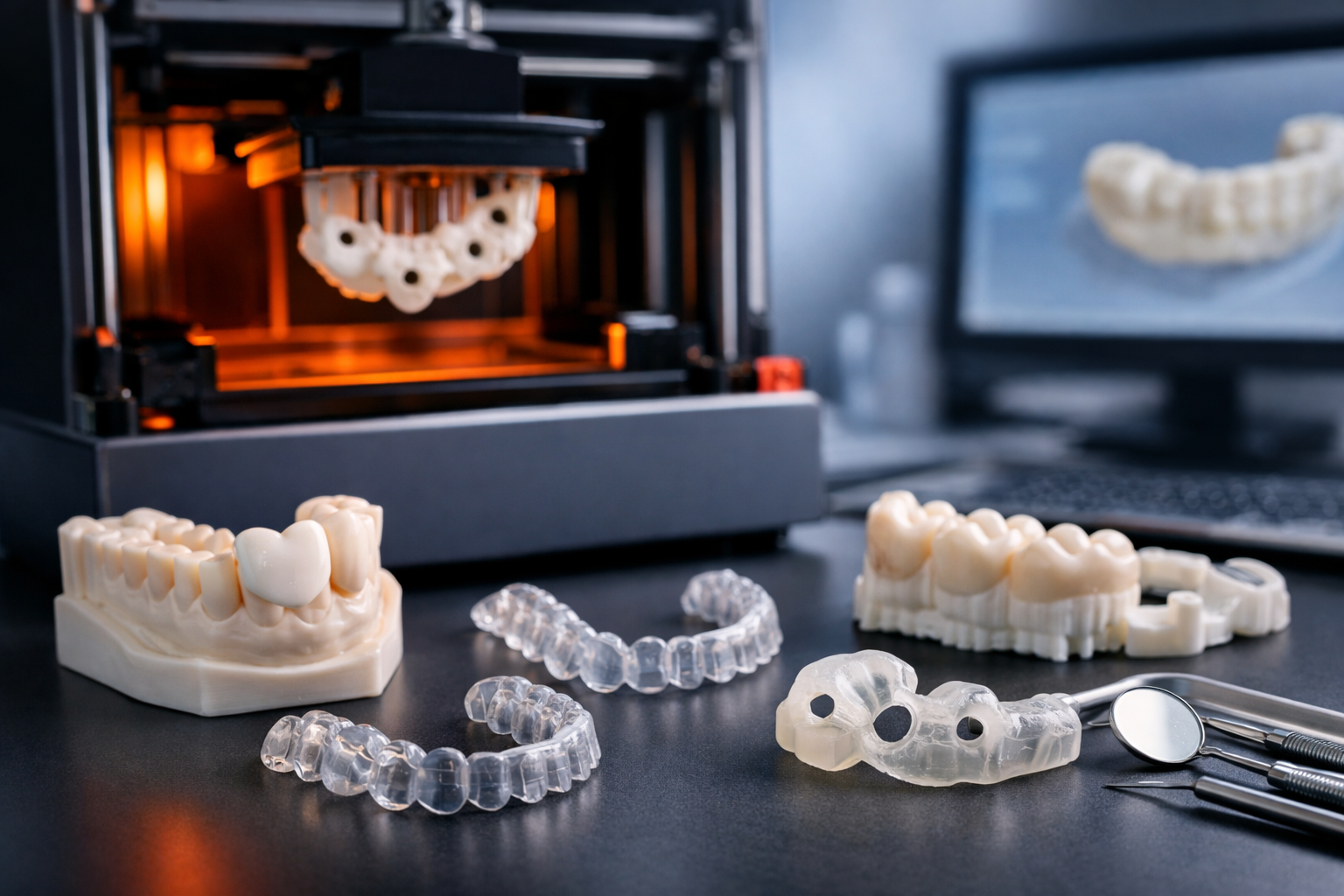
PMMA Like clear resin has high transparency and anti-yellowing, suitable for high transparency applications in non-high temperature environments. The transparent resin has imitation acrylic, glass appearance.

Suitable for: SLA

Application

  • Prototype
  • End-User part

Application Fields

  • Aerospace: YES
  • Automotive: YES
  • Industrial Machinery: YES
  • Consumer Electronics: YES
  • Automation: YES
  • Medical: YES
  • Education Community: YES

Material Property

  • Density(g/cm3): 1.05
  • Tensile Strength(MPa): 40
  • Flex Modulus(MPa): 40
  • Elongation(%): 32
  • Heat Distortion Temp(°C): –
  • Hardness Shore D: 78

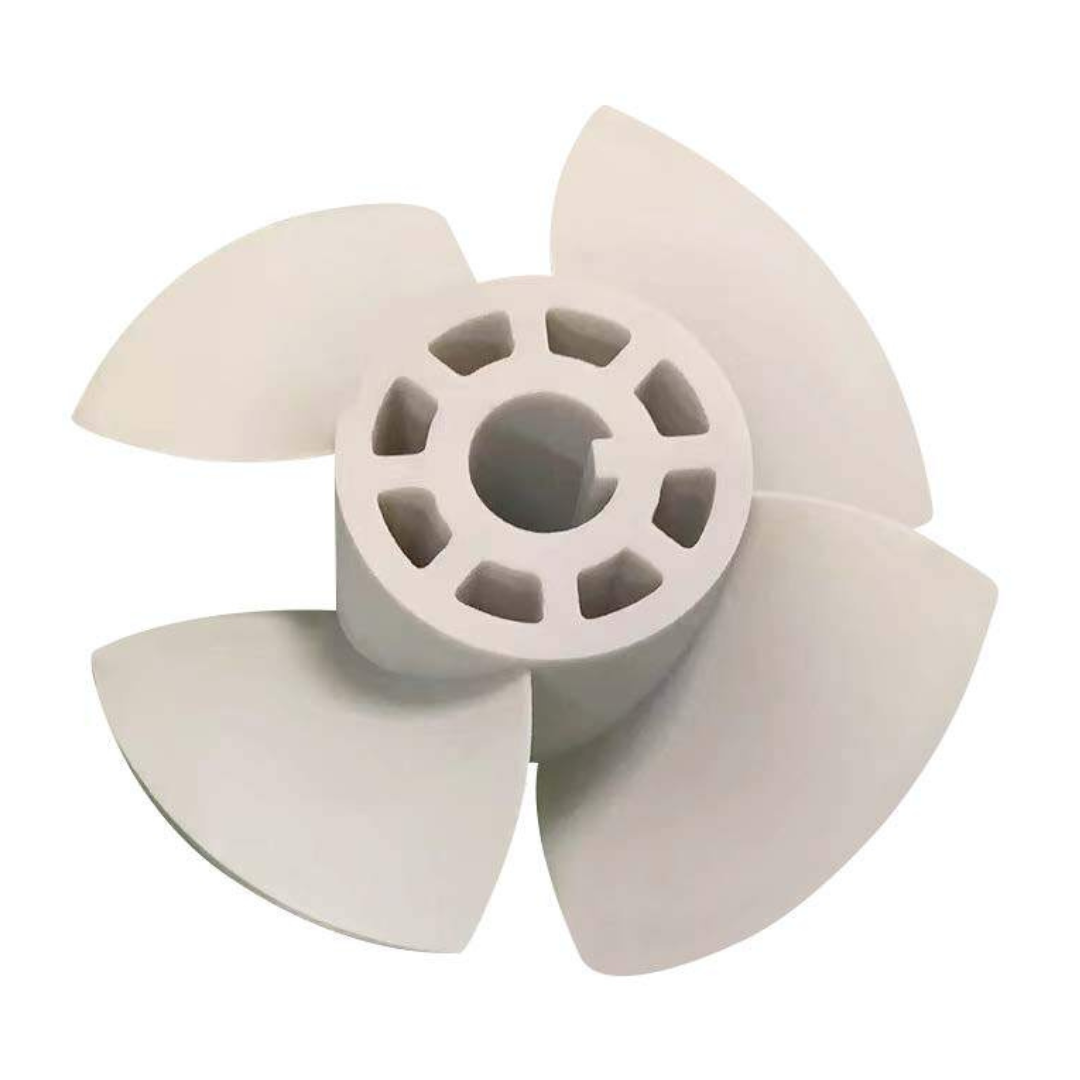
Nylon12 Glass Fibre40 Blue-gray

This grey-blue composite nylon powder, enhanced with 40% glass beads, creates 3D-printed parts with exceptional stiffness and heat resistance. Powder reuse rate can reach up to 100%.

Suitable for: SLS

Application

  • Prototype
  • End-User part

Application Fields

  • Aerospace: YES
  • Automotive: YES
  • Industrial Machinery: YES
  • Consumer Electronics: YES
  • Automation: YES
  • Medical: YES
  • Education Community: YES

Material Property

  • Density(g/cm3): 0.72
  • Tensile Strength(MPa): 46
  • Flex Modulus(MPa): 2,800
  • Elongation(%): –
  • Heat Distortion Temp(°C): 160
  • Hardness Shore D: –

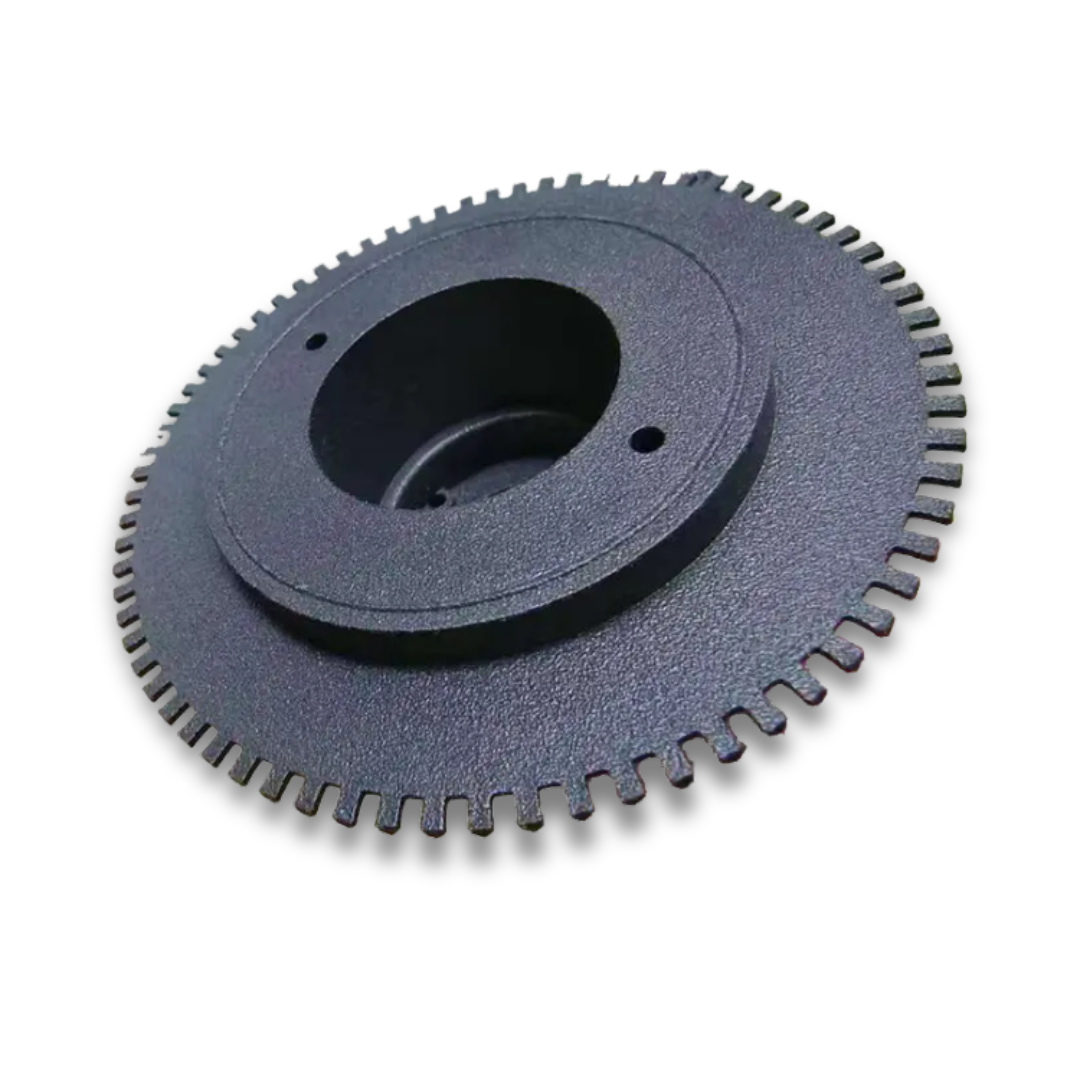
Nylon 12 Glass Fibre 30

PA12GB30 is a high-performance material with excellent chemical, mechanical, and thermal properties, ideal for engineering applications. Compared to PA6, it absorbs significantly less moisture, preserving strength and shape in humid environments. With added glass fiber reinforcement, it offers enhanced durability, stiffness, and stability, making it a reliable choice for demanding conditions.

Suitable for: SLS

Application

  • Prototype
  • End-User part

Application Fields

  • Aerospace: YES
  • Automotive: YES
  • Industrial Machinery: YES
  • Consumer Electronics: YES
  • Automation: YES
  • Medical: YES
  • Education Community: YES

Material Property

  • Density(g/cm3): 1.25
  • Tensile Strength(MPa): 62.6
  • Flex Modulus(MPa): 2,340
  • Elongation(%): 6.8
  • Heat Distortion Temp(°C): 160
  • Hardness Shore D: –

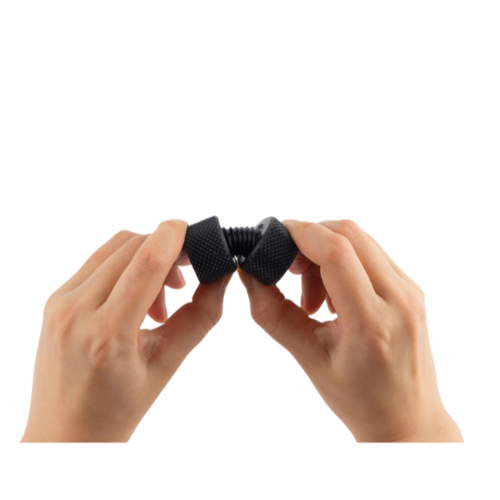
Rubber Like Resin

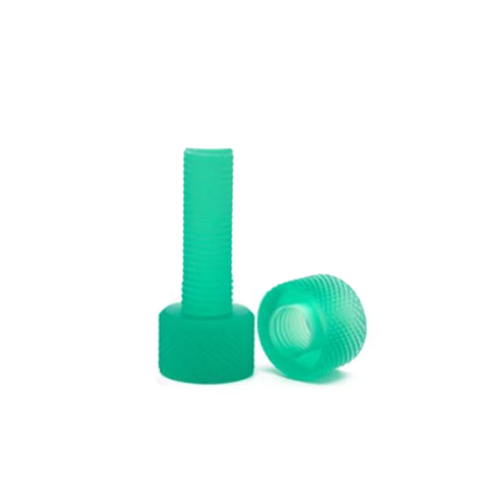
Rubber-like resin has a low tensile modulus and high elongation at break, making it well-suited for objects that will be bent or compressed.

Suitable for: SLA

Application

  • Prototype
  • End-User part

Application Fields

  • Aerospace: YES
  • Automotive: YES
  • Industrial Machinery: YES
  • Consumer Electronics: YES
  • Automation: YES
  • Medical: YES
  • Education Community: YES

Material Property

  • Density(g/cm3): –
  • Tensile Strength(MPa): 7.9
  • Flex Modulus(MPa): –
  • Elongation(%): 255.1
  • Heat Distortion Temp(°C): –
  • Hardness Shore D: 60-75

ABS Like Resin

ABS-like resin excels in high precision, providing a smooth surface quality with exquisite detail features. Known for its superior forming dimensional stability, this resin is ideal for the assembly and testing of various engineering models. Achieving a perfect balance between tensile strength and hardness, it prevents brittleness with its high elongation at break, ensuring resistance to breaking.

Suitable for: SLA

Application

  • Prototype
  • End-User part

Application Fields

  • Aerospace: YES
  • Automotive: YES
  • Industrial Machinery: YES
  • Consumer Electronics: YES
  • Automation: YES
  • Medical: YES
  • Education Community: YES

Material Property

  • Density(g/cm3): 1.05-1.13
  • Tensile Strength(MPa): 42-62
  • Flex Modulus(MPa): 60-80
  • Elongation(%): 11-21
  • Heat Distortion Temp(°C): –
  • Hardness Shore D: 75-80

Nylon-Like Resin

Nylon-like resin is a high-strength material known for its excellent durability and long-term stability. It also boasts exceptional toughness and impact resistance.

Suitable for: SLA

Application

  • Prototype
  • End-User part

Application Fields

  • Aerospace: YES
  • Automotive: YES
  • Industrial Machinery: YES
  • Consumer Electronics: YES
  • Automation: YES
  • Medical: YES
  • Education Community: YES

Material Property

  • Density(g/cm3): 1.05-1.15
  • Tensile Strength(MPa): 68
  • Flex Modulus(MPa): 35
  • Elongation(%): 15
  • Heat Distortion Temp(°C): –
  • Hardness Shore D: 75

Hard Tough Resin

This hard resin boasts higher toughness and impact resistance compared to standard ABS-like resin, making it exceptionally well-suited for mechanical prototypes.

Suitable for: SLA

Application

  • Prototype
  • End-User part

Application Fields

  • Aerospace: YES
  • Automotive: YES
  • Industrial Machinery: YES
  • Consumer Electronics: YES
  • Automation: YES
  • Medical: YES
  • Education Community: YES

Material Property

  • Density(g/cm3): 1.08-1.12
  • Tensile Strength(MPa): 30-60
  • Flex Modulus(MPa): 30-75
  • Elongation(%): 35-52
  • Heat Distortion Temp(°C): 60
  • Hardness Shore D: 75-81

High Temp Resin

High Temp Resin is characterized by high hardness, strength, modulus, and precision. It exhibits resistance to prolonged heating at 120°C or boiling at 100°C, showcasing excellent mechanical properties, weather resistance, and temperature resistance.

Suitable for: SLA

Application

  • Prototype
  • End-User part

Application Fields

  • Aerospace: YES
  • Automotive: YES
  • Industrial Machinery: YES
  • Consumer Electronics: YES
  • Automation: YES
  • Medical: YES
  • Education Community: NO

Material Property

  • Density(g/cm3): 1.09-1.10
  • Tensile Strength(MPa): 70-85
  • Flex Modulus(MPa): 95-105
  • Elongation(%): 35-40
  • Heat Distortion Temp(°C): 100.5
  • Hardness Shore D: 82-84

General Resin

General resin, known for its high rigidity, proves to be a versatile material ideal for both functional testing and rapid prototype.

Suitable for: SLA

Application

  • Prototype

Application Fields

  • Aerospace: NO
  • Automotive: YES
  • Industrial Machinery: NO
  • Consumer Electronics: YES
  • Automation: YES
  • Medical: NO
  • Education Community: YES

Material Property

  • Density(g/cm3): 1.08-1.13
  • Tensile Strength(MPa): 46-67
  • Flex Modulus(MPa): 46-72
  • Elongation(%): 28-36
  • Heat Distortion Temp(°C): –
  • Hardness Shore D: 78-82

Ultem1010 PEI (Polyetherimide)

PEI is a high-performance industrial-grade thermoplastic known for its strength, durability, and low flammability. This versatile material finds applications in various industries, including automotive, aerospace, medicine, and dentistry.

Suitable for: FDM

Application

  • Prototype
  • End-User part

Application Fields

  • Aerospace: YES
  • Automotive: YES
  • Industrial Machinery: YES
  • Consumer Electronics: NO
  • Automation: YES
  • Medical: NO
  • Education Community: NO

Material Property

  • Density(g/cm3): 1.27
  • Tensile Strength(MPa): 90
  • Flex Modulus(MPa): 3427
  • Elongation(%): 3.3
  • Heat Distortion Temp(°C): 207
  • Hardness Shore D: –

Ultem9085 PEI (Polyetherimide)

PEI is a high-performance industrial-grade thermoplastic known for its strength, durability, and low flammability. This versatile material finds applications in various industries, including automotive, aerospace, medicine, and dentistry.

Suitable for: FDM

Application

  • Prototype
  • End-User part

Application Fields

  • Aerospace: YES
  • Automotive: YES
  • Industrial Machinery: YES
  • Consumer Electronics: NO
  • Automation: YES
  • Medical: NO
  • Education Community: NO

Material Property

  • Density(g/cm3): 1.34
  • Tensile Strength(MPa): 86
  • Flex Modulus(MPa): 2340
  • Elongation(%): 4
  • Heat Distortion Temp(°C): 150
  • Hardness Shore D: –

PEEK (Polyether ether ketone)

PEEK (polyetheretherketone) is a high-performance semi-crystalline industrial thermoplastic known for its exceptional resistance to harsh chemicals, minimal moisture absorption, excellent fire performance, superior mechanical strength over a wide temperature range, and reliable dimensional stability.

Suitable for: FDM

Application

  • Prototype
  • End-User part

Application Fields

  • Aerospace: YES
  • Automotive: YES
  • Industrial Machinery: YES
  • Consumer Electronics: YES
  • Automation: YES
  • Medical: YES
  • Education Community: YES

Material Property

  • Density(g/cm3): 1.29
  • Tensile Strength(MPa): 100
  • Flex Modulus(MPa): 4200
  • Elongation(%): 40
  • Heat Distortion Temp(°C): 140
  • Hardness Shore D: –

PET-CF (Carbon fiber reinforced polyethylene terephthalate)

PET-CF emerges as a superior choice over nylon for printing functional parts in high-humidity environments. Its high-temperature resistance and minimal warping make it ideal for crafting mechanical assembly parts, including automotive accessories and fixtures. In comparison to PETG-CF, PET-CF contains a higher concentration of carbon fibre, resulting in significantly greater strength and high temperature resistance.

Suitable for: FDM

Application

  • Prototype
  • End-User part

Application Fields

  • Aerospace: YES
  • Automotive: YES
  • Industrial Machinery: YES
  • Consumer Electronics: YES
  • Automation: YES
  • Medical: YES
  • Education Community: YES

Material Property

  • Density(g/cm3): 1.29
  • Tensile Strength(MPa): 131
  • Flex Modulus(MPa): 5320
  • Elongation(%): 1.2
  • Heat Distortion Temp(°C): 205
  • Hardness Shore D: –

PAHT-CF (High temperature polyamide carbon fiber reinforced)

A composite of PA and carbon fibre, merges the low water absorption advantage of PA with the high-performance attributes of carbon fibre. This combination yields excellent mechanical and thermal properties that remain robust even in wet conditions. PA+CF is prized for its outstanding chemical resistance, low moisture absorption, and versatile processing capabilities.

Suitable for: FDM

Application

  • Prototype
  • End-User part

Application Fields

  • Aerospace: YES
  • Automotive: YES
  • Industrial Machinery: YES
  • Consumer Electronics: YES
  • Automation: YES
  • Medical: YES
  • Education Community: YES

Material Property

  • Density(g/cm3): 1.06
  • Tensile Strength(MPa): 125
  • Flex Modulus(MPa): 4230
  • Elongation(%): 1.8
  • Heat Distortion Temp(°C): 194
  • Hardness Shore D: –

PLA-CF (Carbon fiber reinforced polylactic acid)

Carbon fibber reinforced PLA, stands out for its remarkable increase in stiffness and strength. This cutting-edge bio-polymer, when combined with recycled carbon fibber reinforcement, results in a higher mechanical properties

Suitable for: FDM

Application

  • Prototype
  • End-User part

Application Fields

  • Aerospace: YES
  • Automotive: YES
  • Industrial Machinery: YES
  • Consumer Electronics: YES
  • Automation: YES
  • Medical: YES
  • Education Community: YES

Material Property

  • Density(g/cm3): 1.22
  • Tensile Strength(MPa): 89
  • Flex Modulus(MPa): 3950
  • Elongation(%): 3.2
  • Heat Distortion Temp(°C): 55
  • Hardness Shore D: –

ESD-safe (Electrostatic discharge)

It exhibits excellent antistatic performance, making it particularly suitable for fields that require ESD protection.

Suitable for: FDM

Application

  • Prototype
  • End-User part

Application Fields

  • Aerospace: YES
  • Automotive: YES
  • Industrial Machinery: YES
  • Consumer Electronics: YES
  • Automation: YES
  • Medical: YES
  • Education Community: YES

Material Property

  • Density(g/cm3): 1.08-1.11
  • Tensile Strength(MPa): 55
  • Flex Modulus(MPa): 2300
  • Elongation(%): 5
  • Heat Distortion Temp(°C): 95
  • Surface Resistance: 107 and 109 ohms Ω

UL 94-V0

It possesses higher mechanical properties and is halogen-free, environmentally friendly, and flame retardant, achieving a UL94V-0 level flame retardancy. This makes the product more fireproof and safer.

Suitable for: FDM

Application

  • Prototype
  • End-User part

Application Fields

  • Aerospace: YES
  • Automotive: YES
  • Industrial Machinery: YES
  • Consumer Electronics: YES
  • Automation: YES
  • Medical: NO
  • Education Community: YES

Material Property

  • Density(g/cm3): 1.05
  • Tensile Strength(MPa): 35
  • Flex Modulus(MPa): 2280
  • Elongation(%): 10
  • Heat Distortion Temp(°C): 100
  • Hardness Shore D: –

ASA (Acrylonitrile styrene acrylate)

ASA shares excellent mechanical properties with ABS but offers additional benefits. It is more resistant to ultraviolet rays and harsh weather conditions, making it particularly suitable for outdoor use. ASA boasts strong toughness, rigidity, and high impact resistance.

Suitable for: FDM

Application

  • Prototype
  • End-User part

Application Fields

  • Aerospace: NO
  • Automotive: YES
  • Industrial Machinery: YES
  • Consumer Electronics: YES
  • Automation: YES
  • Medical: NO
  • Education Community: YES

Material Property

  • Density(g/cm3): 1
  • Tensile Strength(MPa): 45
  • Flex Modulus(MPa): 1900
  • Elongation(%): 30
  • Heat Distortion Temp(°C): 86
  • Hardness Shore D: –

PP (Polypropylene)

Polypropylene (PP) is a popular material in 3D printing, valued for its versatility, strength, and chemical resistance. This lightweight and flexible plastic stands up well to acids, bases, and organic solvents, making it suitable for a range of applications. Additionally, PP is considered food-safe, though standard 3D printing food safety guidelines should still be followed.

Suitable for: FDM

Application

  • Prototype
  • End-User part

Application Fields

  • Aerospace: YES
  • Automotive: YES
  • Industrial Machinery: YES
  • Consumer Electronics: YES
  • Automation: YES
  • Medical: YES
  • Education Community: YES

Material Property

  • Density(g/cm3): 1.05
  • Tensile Strength(MPa): 26
  • Flex Modulus(MPa): 1200
  • Elongation(%): 30
  • Heat Distortion Temp(°C): 60-80
  • Hardness Shore D: –

PC (Polycarbonates)

PC is a high-performance material known for its toughness, heat resistance, dimensional stability, and high optical clarity. It exhibits excellent mechanical properties, high toughness, and impact resistance, making it stable and durable. Additionally, PC offers impressive temperature resistance, with a heat distortion temperature up to 80 ℃.

Suitable for: FDM

Application

  • Prototype
  • End-User part

Application Fields

  • Aerospace: YES
  • Automotive: YES
  • Industrial Machinery: YES
  • Consumer Electronics: YES
  • Automation: YES
  • Medical: YES
  • Education Community: YES

Material Property

  • Density(g/cm3): 1.21
  • Tensile Strength(MPa): 54
  • Flex Modulus(MPa): 1073
  • Elongation(%): 150
  • Heat Distortion Temp(°C): 80
  • Hardness Shore D: –

Nylon / PA (Polyamide)

Nylon is a versatile material known for its good flexibility, wear resistance, and high strength-to-weight ratio. PA12, in particular, exhibits high toughness and impact resistance.

Suitable for: FDM

Application

  • Prototype
  • End-User part

Application Fields

  • Aerospace: YES
  • Automotive: YES
  • Industrial Machinery: YES
  • Consumer Electronics: YES
  • Automation: YES
  • Medical: YES
  • Education Community: YES

Material Property

  • Density(g/cm3): 1.21
  • Tensile Strength(MPa): 50
  • Flex Modulus(MPa): 659
  • Elongation(%): 165
  • Heat Distortion Temp(°C): 100
  • Hardness Shore D: –

HIPS

HIPS is a multifunctional material. It shares many mechanical properties with ABS plastic, but as the name suggests, it has a much higher resistance to impact. This added strength makes HIPS an excellent choice for creating durable 3D-printed parts that can withstand everyday wear and tear.

Suitable for: FDM

Application

  • Prototype
  • End-User part

Application Fields

  • Aerospace: YES
  • Automotive: YES
  • Industrial Machinery: YES
  • Consumer Electronics: YES
  • Automation: YES
  • Medical: YES
  • Education Community: YES

Material Property

  • Density(g/cm3): 1.04
  • Tensile Strength(MPa): 40
  • Flex Modulus(MPa): 1600
  • Elongation(%): 18
  • Heat Distortion Temp(°C): 80
  • Hardness Shore D: –

TPU (Thermoplastic polyurethane)

TPU material is renowned for its excellent flexibility, high elasticity, tear resistance, wear resistance, cut resistance, sturdiness, and durability.

Suitable for: FDM

Application

  • Prototype
  • End-User part

Application Fields

  • Aerospace: YES
  • Automotive: NO
  • Industrial Machinery: YES
  • Consumer Electronics: YES
  • Automation: YES
  • Medical: NO
  • Education Community: YES

Material Property

  • Density(g/cm3): 1.21
  • Tensile Strength(MPa): 35
  • Flex Modulus(MPa): –
  • Elongation(%): ≥800
  • Heat Distortion Temp(°C): –
  • Hardness Shore D: 95A

PETG (Polyethylene terephthalate glycol)

PETG is a robust material known for its odor neutrality and ease of printing. These characteristics, combined with high impact strength, flexibility, low shrinkage, water resistance, chemical resistance, and high toughness, make PETG an excellent choice for a variety of applications.

Suitable for: FDM

Application

  • Prototype
  • End-User part

Application Fields

  • Aerospace: NO
  • Automotive: YES
  • Industrial Machinery: YES
  • Consumer Electronics: YES
  • Automation: YES
  • Medical: YES
  • Education Community: YES

Material Property

  • Density(g/cm3): 1.27
  • Tensile Strength(MPa): 52
  • Flex Modulus(MPa): 1073
  • Elongation(%): 83
  • Heat Distortion Temp(°C): 64
  • Hardness Shore D: –

ABS (Acrylonitrile butadiene styrene)

ABS is a lightweight material known for its high impact resistance. These characteristics, coupled with a high heat deflection temperature, render ABS suitable for a wide range of applications and environments.

Suitable for: FDM

Application

  • Prototype
  • End-User part

Application Fields

  • Aerospace: YES
  • Automotive: YES
  • Industrial Machinery: YES
  • Consumer Electronics: YES
  • Automation: YES
  • Medical: NO
  • Education Community: YES

Material Property

  • Density(g/cm3): 1.06
  • Tensile Strength(MPa): 40
  • Flex Modulus(MPa): 1203
  • Elongation(%): 30
  • Heat Distortion Temp(°C): 73
  • Hardness Shore D: –

PLA (Polylactic acid)

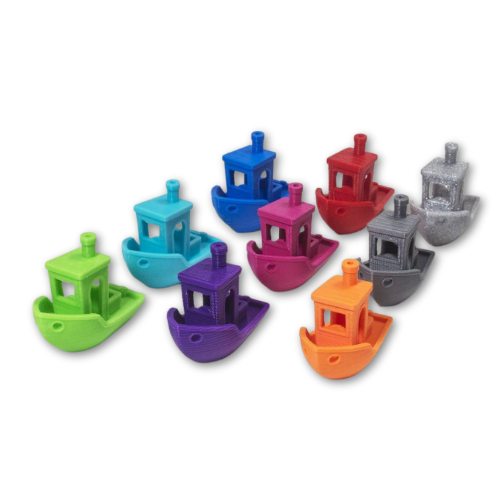
PLA is an environmentally friendly biopolymer-based material that is both stiff and easy to print. It is available in a wide variety of colours.

Suitable for: FDM

Application

  • Prototype

Application Fields

  • Aerospace: NO
  • Automotive: YES
  • Industrial Machinery: NO
  • Consumer Electronics: YES
  • Automation: YES
  • Medical: NO
  • Education Community: YES

Material Property

  • Density(g/cm3): 1.23
  • Tensile Strength(MPa): 60
  • Flex Modulus(MPa): 1973
  • Elongation(%): 20
  • Heat Distortion Temp(°C): 40
  • Hardness Shore D: –