

Small Features, Big Possibilities: How Micro 3D Printing Transforms Precision Molding
As industries continue to develop smaller and more complex components, the demand for precision manufacturing is increasing.
Manufacturing components with microscopic features presents unique challenges, particularly when traditional tooling methods involve long lead times, complex processes and significant investment.
Micro 3D printing for molding offers an alternative approach by enabling engineers to produce highly detailed master molds for precision applications.
By combining high-resolution additive manufacturing with silicone-based molding processes, manufacturers can explore complex geometries, accelerate prototyping and improve design flexibility.
This creates new opportunities for precision manufacturing at the micro scale.
What Is Micro 3D Printing for Molding?
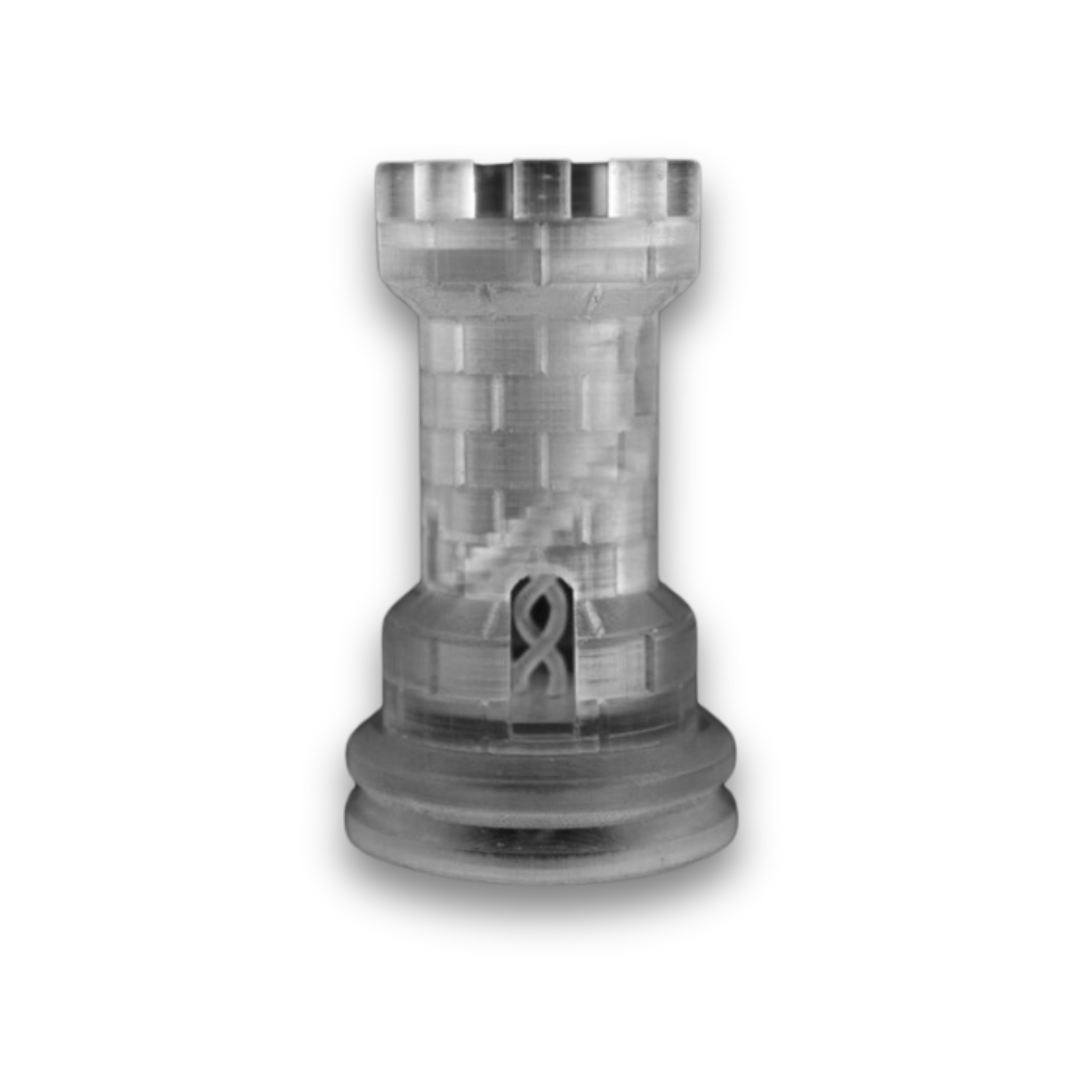
Micro 3D printing is an additive manufacturing technology that produces components with extremely small and detailed features.
Unlike conventional 3D printing, which often focuses on larger components, micro 3D printing specializes in manufacturing intricate structures that require high dimensional accuracy.
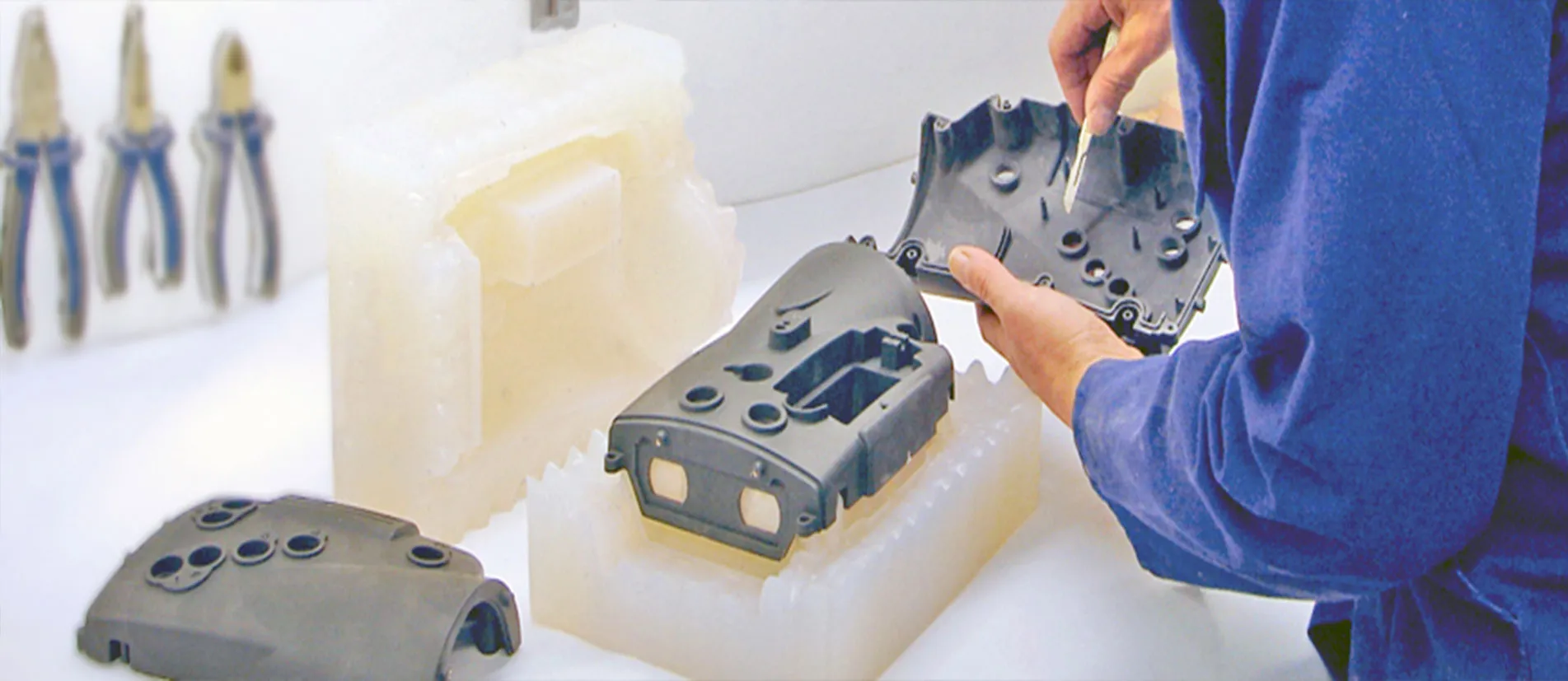
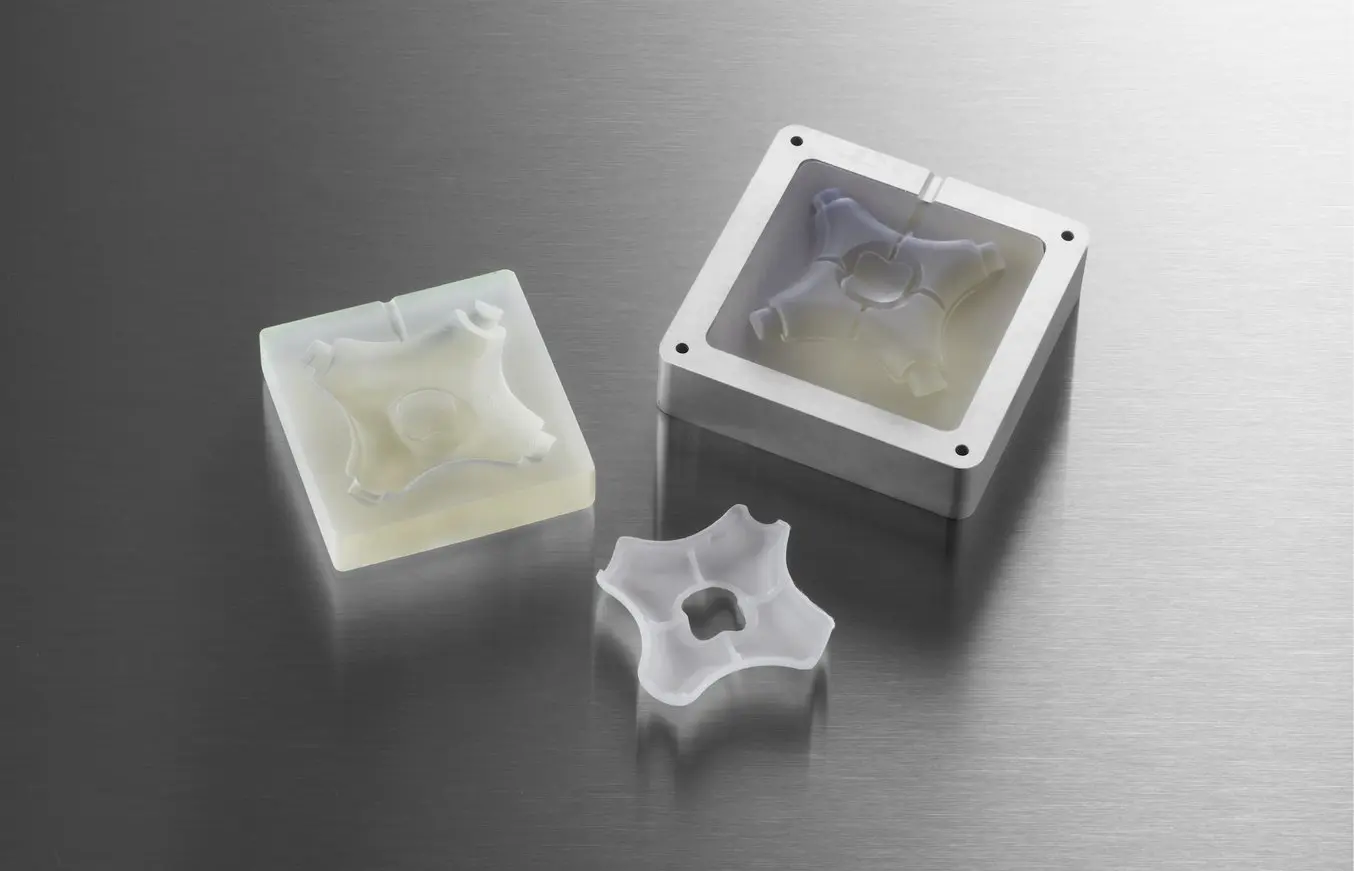
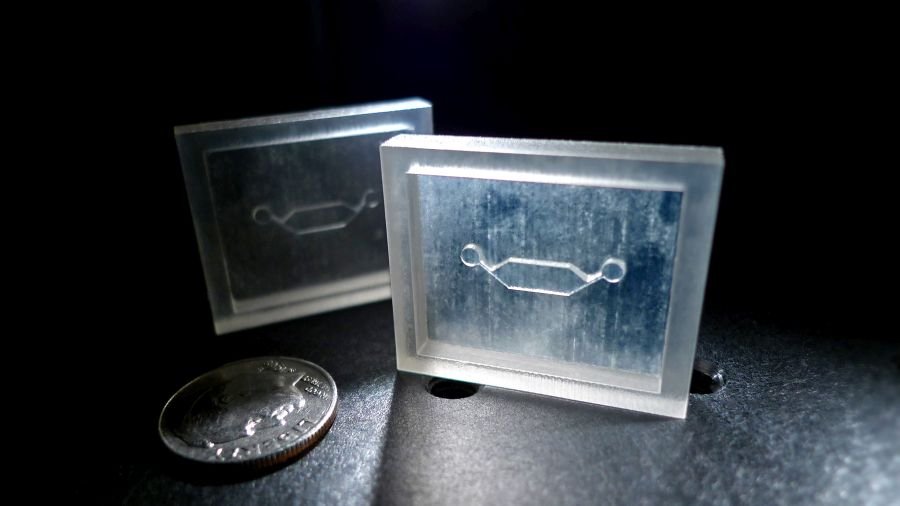
In precision molding, engineers can use this technology to produce master molds or patterns that serve as templates for creating molded components.
For example, a high-resolution printed master pattern can support molding with silicone-based materials such as polydimethylsiloxane (PDMS).
This approach allows manufacturers to reproduce fine features while reducing their reliance on conventional tooling during suitable development projects.
Why Use Micro 3D Printing for Precision Molding?
Micro 3D printing offers several advantages when developing small components with complex geometries.
1. High Precision and Detailed Features
Precision plays an important role in micro-scale manufacturing.
Components such as microfluidic channels, textured surfaces and miniature structures often require extremely fine features.
Micro 3D printing allows engineers to produce detailed master patterns that support these requirements.
With suitable printing technology and process parameters, manufacturers can reproduce intricate designs that may be challenging to achieve through conventional machining methods.
2. Faster Prototyping and Development
Traditional mold manufacturing can require significant preparation and tooling time.
For research and development projects, these delays may slow down design evaluation.
Micro 3D printing helps streamline prototyping by allowing engineers to produce master patterns directly from digital designs.
Development teams can then evaluate molded samples and refine their designs based on testing results.
This flexibility supports faster development cycles for suitable precision applications.
3. Greater Design Flexibility
Micro-scale components often involve complex shapes, detailed surface features and specialized geometries.
Conventional manufacturing methods may impose limitations on certain designs.
High-resolution 3D printing offers engineers additional freedom to explore these features.
By modifying digital models, designers can evaluate different mold geometries without rebuilding an entirely new conventional tooling setup.
This capability is especially valuable during early product development.
4. Lower Initial Tooling Investment
Conventional precision tooling may involve specialized equipment and complex manufacturing processes.
These requirements can create high upfront costs, particularly for low-volume or experimental projects.
Micro 3D printing provides another option by enabling manufacturers to produce suitable master molds without relying entirely on traditional tooling methods.
For certain applications, this approach can reduce initial tooling investment and support more economical design evaluation.
5. Rapid Design Iteration
Product development rarely ends with the first prototype.
Engineers often need to adjust dimensions, evaluate different geometries or improve component functionality.
Micro 3D printing makes these changes easier by allowing designers to update digital models and produce revised master patterns.
This process helps development teams test multiple design variations more efficiently.
Applications of Micro 3D Printing in Precision Molding
Micro 3D printing supports various applications that require detailed features and small component dimensions.
Microfluidic Devices
Microfluidic devices contain miniature channels that control the movement of small amounts of fluid.
Producing these channels requires accurate dimensions and detailed internal features.
Micro 3D printing can support the development of master molds with intricate channel patterns.
Engineers can use these patterns to create molded components for research, testing and device development.
Medical Device Prototyping
Medical device research often involves miniature components with specialized shapes and features.
High-resolution additive manufacturing allows developers to explore complex geometries and produce detailed prototypes.
Micro 3D printed master molds can support the development of selected components for research and design evaluation.
However, medical applications require additional consideration of material suitability, performance and applicable regulatory requirements.
Microneedle Structures
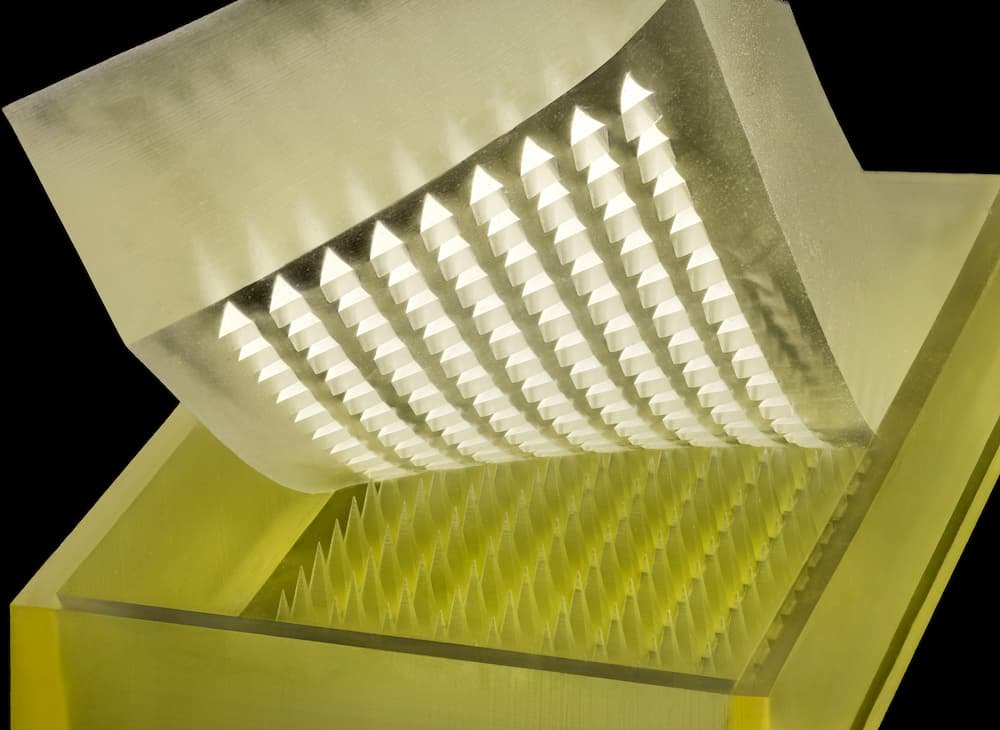
Microneedle designs involve extremely small features that require precise geometry and spacing.
Micro 3D printing can help engineers create master patterns with detailed needle-shaped structures.
These patterns may support research into molding processes and the development of experimental micro-scale components.
Micro-Textured Surfaces
Surface texture can influence how a component interacts with its surrounding environment.
Some applications require fine patterns or specialized microstructures that conventional manufacturing methods may struggle to reproduce.
Micro 3D printing allows designers to explore detailed surface features for molding and precision research applications.
Key Considerations for Successful Micro-Molding
Although micro 3D printing offers significant design flexibility, successful molding requires careful planning.
Engineers must consider several important factors when developing printed master molds.
Material Compatibility
The printed master pattern must be compatible with the selected molding material and curing conditions.
Suitable material selection helps reduce potential molding defects and supports consistent processing.
Surface Finish
The surface quality of the master pattern influences the finish of the molded component.
Smooth surfaces may also help simplify the release of delicate molded features.
Mold Geometry
Complex features, sharp corners and undercuts can affect how easily the molded component separates from the master pattern.
Engineers should consider suitable draft angles and feature geometry during the design stage.
Post-Processing
Proper cleaning and curing of printed master patterns are important for molding performance.
Incomplete post-processing can affect material compatibility and interfere with the curing of certain silicone materials.
Design Validation
Testing remains essential when developing micro-scale components.
Engineers should evaluate dimensional accuracy, mold release and component quality before proceeding with further manufacturing.
By considering these factors, manufacturers can improve the reliability of their micro-molding process.
3D Printing Service Malaysia , 3D Printing service Singapore , 3D Printing service KL , 3D Printing service Selangor, 3D Scanning Malaysia
Why Partner with Projet ?
Selecting the right manufacturing technology is important—but choosing the right manufacturing partner is what truly drives success. Companies across the electronics, automotive, consumer products, aerospace, and medical industries trust Projet because we are more than just a supplier; we are a dedicated partner in their success.
Here’s what sets us apart:
A True One-Stop Solution
We provide a seamless experience by offering a comprehensive suite of manufacturing services under one roof. This integrated approach streamlines your supply chain and simplifies the journey from concept to a market-ready product.
Engineering Expertise You Can Count On
Our experienced engineering team acts as a dedicated extension of your own. We excel at solving complex manufacturing challenges and collaborate closely with you to optimize your designs for quality, cost-effectiveness, and manufacturability.
Flexible Production Volumes to Match Your Needs
Whether you require a single prototype or a high-volume production run, our manufacturing capabilities are designed to scale with your demands. We support your product’s entire lifecycle, from initial launch to full-scale production.
Rapid Turnaround for a Faster Time-to-Market
In today’s fast-paced market, speed is a crucial advantage. We deliver fast, transparent quotes and pride ourselves on our rapid turnaround times, helping you get your innovative products to market sooner.
3D Printing Services
Instant Price