

Engineering the Sound: When 3D Printing Meets Music
Music and engineering may seem like two different fields, but both involve precision, creativity and continuous innovation.
As technology advances, engineers are exploring new ways to improve musical instrument development. One technology creating new possibilities is 3D printing.
From customized components to complex internal structures, 3D printing for musical instruments allows designers to experiment with new ideas and develop functional prototypes.
By combining additive manufacturing with modern sensor technology, developers can also explore how instrument design influences musical performance.
This creates new opportunities to connect engineering innovation with the art of music.
How Is 3D Printing Changing Musical Instrument Development?
Traditional musical instrument manufacturing often involves established production methods, specialized tooling and careful material selection.
While these approaches remain important, developing new instrument designs can involve significant testing and refinement.
3D printing offers greater flexibility during the product development process.
Engineers can create physical prototypes directly from digital designs, allowing them to explore different geometries and component configurations.
This capability helps developers evaluate new ideas before committing to more complex manufacturing processes.
As a result, additive manufacturing provides a useful tool for exploring innovation in musical instrument design.
Why Use 3D Printing for Musical Instruments?
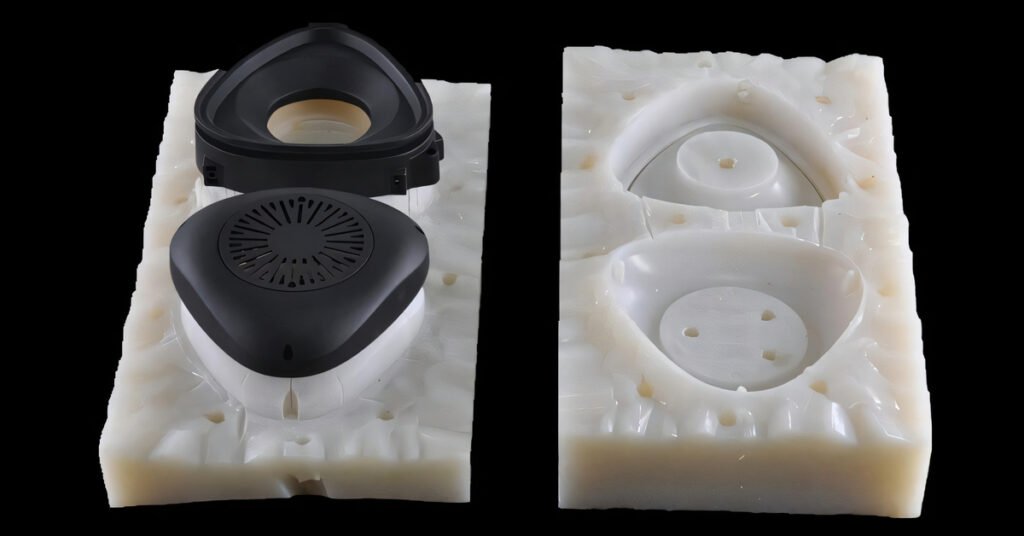
3D printing offers several advantages when developing customized musical instruments and experimental components.
1. Complex Geometries and Internal Structures
Musical instruments often contain intricate shapes and internal features that influence their functionality.
Some geometries can be difficult to manufacture using conventional methods.
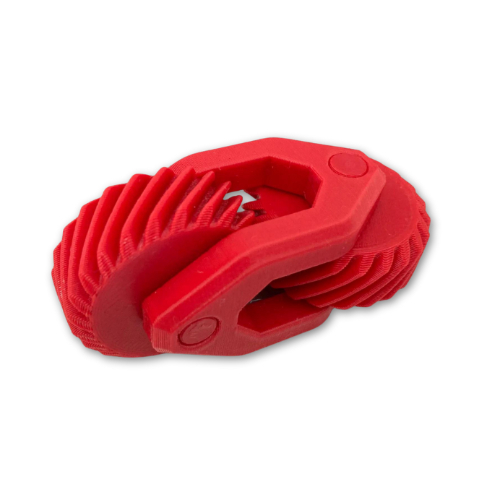
Additive manufacturing allows engineers to explore complex designs, including detailed internal passages and customized component shapes.
This flexibility creates new opportunities for instrument development and design experimentation.
2. Rapid Prototyping and Design Testing
Developing a musical instrument often involves multiple design improvements.
Engineers may need to evaluate different shapes, dimensions and component configurations before selecting a suitable design.
Rapid prototyping with 3D printing enables developers to turn digital models into physical components for testing.
Instead of relying on lengthy manufacturing processes for every design change, teams can produce revised prototypes and evaluate different configurations.
This approach supports faster design iteration and product development.
3. Material Selection and Performance
Material selection plays an important role in musical instrument development.
Different materials offer different properties, including rigidity, flexibility, durability and surface characteristics.
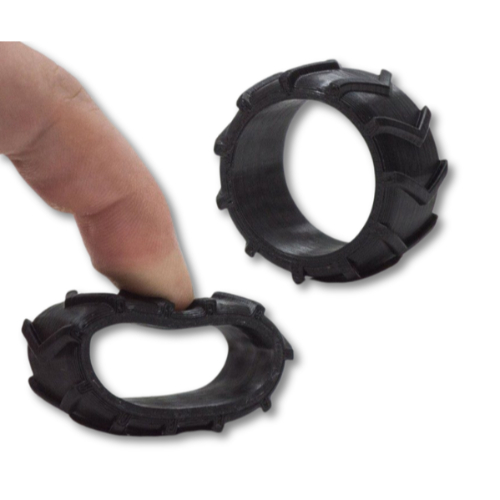
3D printing provides access to various materials that engineers can evaluate based on the intended application.
For example, certain components may require greater rigidity, while others may benefit from flexibility or improved comfort.
Selecting appropriate materials helps developers balance functionality, durability and design requirements.
However, the final performance still depends on the selected material, manufacturing process and component design.
4. Customized Instrument Components
Every musical instrument design has its own functional and dimensional requirements.
Traditional manufacturing methods may limit certain customization options, particularly during early product development.
3D printing allows engineers to modify digital designs and produce customized components for specific applications.
This capability supports the development of prototypes with different sizes, geometries and functional features.
It also provides greater flexibility when exploring alternative designs or evaluating specialized components.
5. Sensor Integration for Performance Analysis
One interesting application of 3D printing involves combining manufactured components with modern sensor technology.
Engineers can design instrument parts that accommodate sensors and other electronic components.
These sensors may help researchers study factors such as air pressure, movement and other measurable aspects of musical performance.
By integrating sensors into suitable prototypes, developers can gather information that supports further design evaluation.
This creates opportunities to explore the relationship between instrument design, engineering and performance.
Connecting 3D Printing with Musical Performance
Beyond manufacturing physical components, additive manufacturing can support new approaches to musical instrument research and development.
By combining 3D printed prototypes with sensing technologies, engineers can investigate how different design features influence the way an instrument functions.
For example, sensor-integrated components may help researchers collect information about air pressure or movement during instrument use.
The collected data can then support further analysis and guide design improvements.
This process allows developers to make more informed decisions when evaluating different prototype configurations.
Rather than relying only on physical appearance, engineers can explore additional performance-related information during development.
Applications of 3D Printing in Music
Additive manufacturing supports several activities within musical instrument development.
Instrument Prototyping
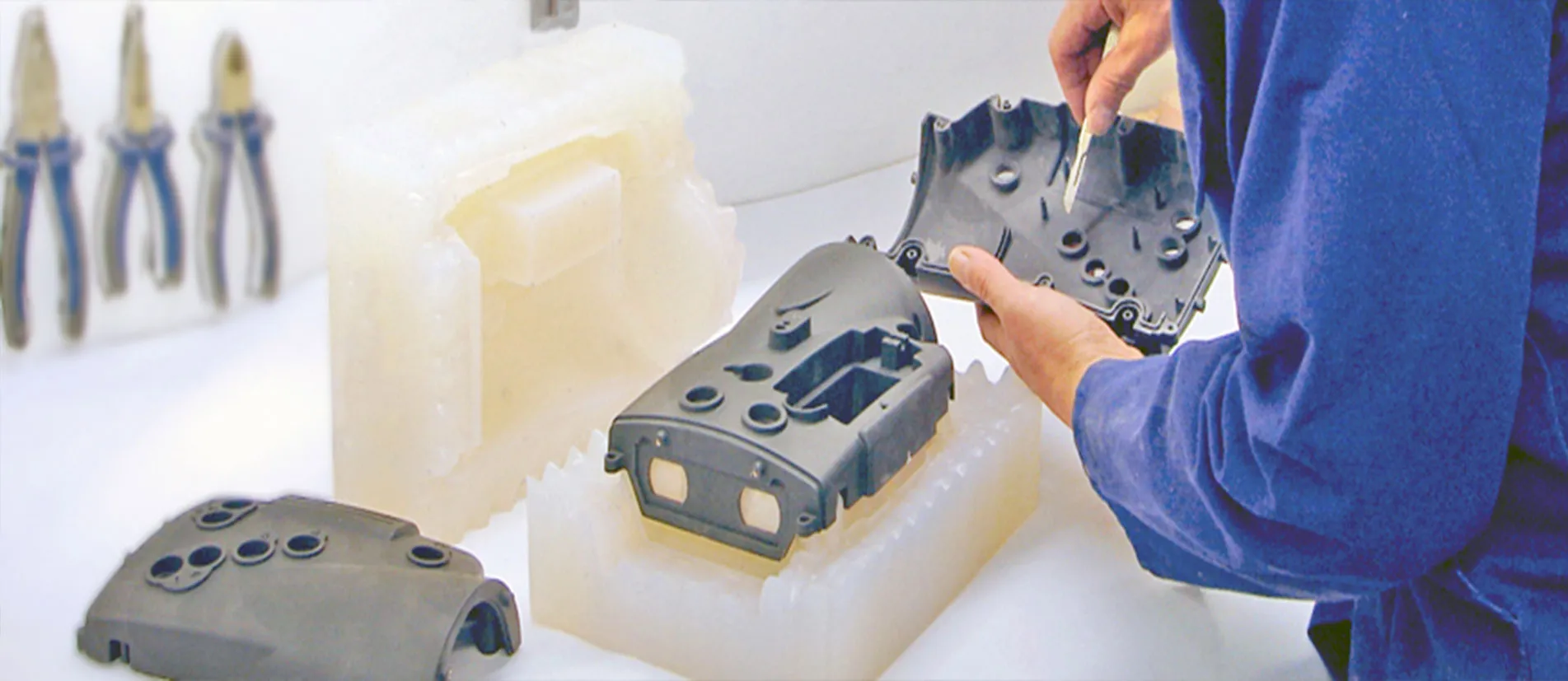
Engineers can produce physical models to evaluate component dimensions, geometries and assembly requirements.
These prototypes help development teams assess potential design improvements before moving into subsequent manufacturing stages.
Customized Components
3D printing enables developers to produce components with customized geometries for specific requirements.
This flexibility can be useful for experimental instruments, replacement components and specialized design applications.
Performance Analysis
Sensor-compatible prototypes provide opportunities to collect measurable performance information.
Engineers can use these designs to investigate movement, air pressure and other relevant factors during instrument operation.
Research and Development
Musical instrument innovation often requires continuous experimentation and testing.
Additive manufacturing supports this process by allowing engineers to explore alternative designs, produce revised prototypes and refine component features.
Together, these applications demonstrate how 3D printing can contribute to both instrument design and engineering research.
3D Printing Service Malaysia , 3D Printing service Singapore , 3D Printing service KL , 3D Printing service Selangor, 3D Scanning Malaysia
Why Partner with Projet ?
Selecting the right manufacturing technology is important—but choosing the right manufacturing partner is what truly drives success. Companies across the electronics, automotive, consumer products, aerospace, and medical industries trust Projet because we are more than just a supplier; we are a dedicated partner in their success.
Here’s what sets us apart:
A True One-Stop Solution
We provide a seamless experience by offering a comprehensive suite of manufacturing services under one roof. This integrated approach streamlines your supply chain and simplifies the journey from concept to a market-ready product.
Engineering Expertise You Can Count On
Our experienced engineering team acts as a dedicated extension of your own. We excel at solving complex manufacturing challenges and collaborate closely with you to optimize your designs for quality, cost-effectiveness, and manufacturability.
Flexible Production Volumes to Match Your Needs
Whether you require a single prototype or a high-volume production run, our manufacturing capabilities are designed to scale with your demands. We support your product’s entire lifecycle, from initial launch to full-scale production.
Rapid Turnaround for a Faster Time-to-Market
In today’s fast-paced market, speed is a crucial advantage. We deliver fast, transparent quotes and pride ourselves on our rapid turnaround times, helping you get your innovative products to market sooner.
3D Printing Services
Instant Price