

Powering the Future: How CNC Manufacturing Supports E-Mobility
The automotive industry continues to evolve as electric mobility gains importance. This transformation introduces new manufacturing requirements, particularly for precision components, lightweight materials and complex designs.
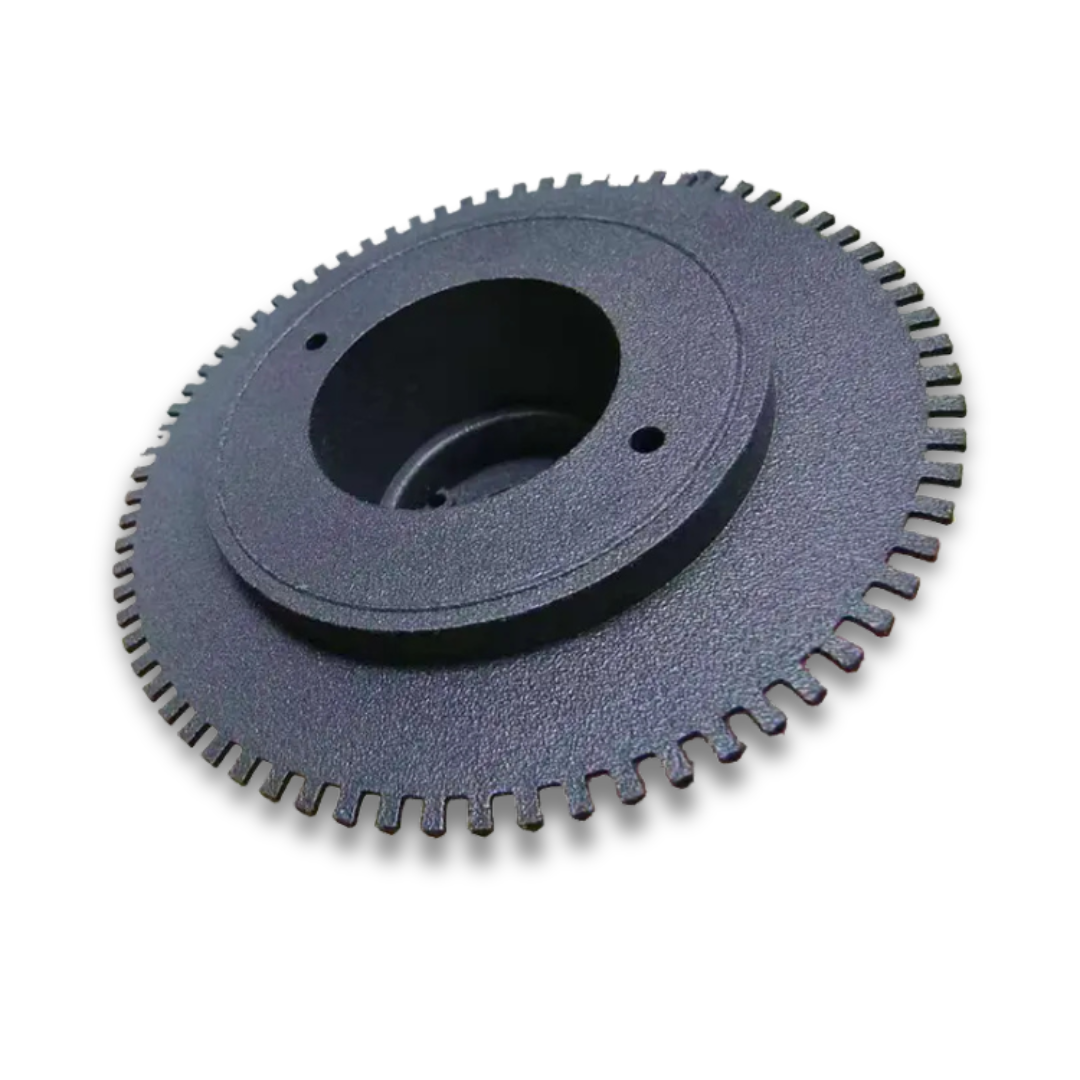
CNC machining for e-mobility plays an important role in supporting these developments. From electric motor components and battery housings to power electronics enclosures, manufacturers rely on precision machining to produce parts that meet demanding design and performance requirements.
As electric vehicle technology advances, CNC manufacturing helps manufacturers achieve greater precision, flexibility and production efficiency.
Why CNC Machining Matters in E-Mobility
Electric vehicles require a wide range of mechanical components that differ from those found in conventional vehicles.
These components often involve complex geometries, lightweight materials and precise dimensions. Manufacturers must maintain consistent quality while adapting to changing product designs and manufacturing requirements.
CNC machining offers several advantages for e-mobility manufacturing, including high precision, design flexibility and efficient production of complex components.
With computer-controlled manufacturing processes, engineers can produce parts with precise dimensions while maintaining consistency across production batches.
Changing Requirements in E-Mobility Manufacturing
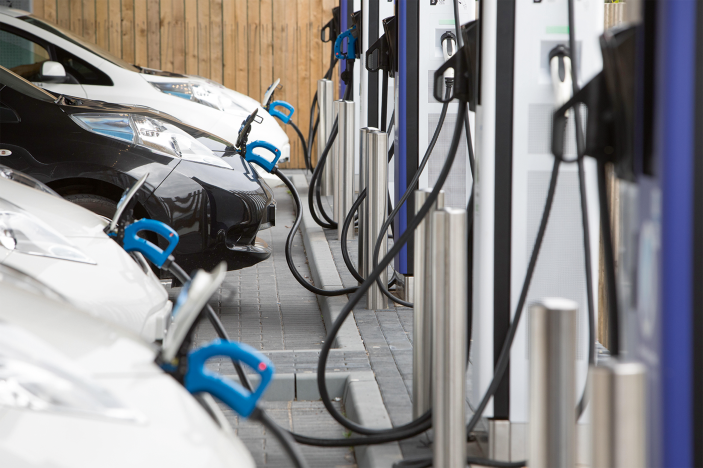
As electric vehicle technology develops, manufacturers face new challenges and production requirements.
1. Higher Precision
Precision plays an important role in manufacturing electric vehicle components.
Parts such as motor housings and other mechanical assemblies may require tight tolerances to ensure proper fitting and functionality.
CNC machining helps manufacturers achieve accurate dimensions and consistent results for these applications.
2. Lightweight Materials
Reducing vehicle weight can help improve energy efficiency and overall performance.
Manufacturers often use lightweight materials such as aluminium alloys for various electric vehicle components.
CNC machining supports the production of lightweight parts with precise features and complex geometries.
3. Complex Component Designs
Electric vehicle components can feature intricate shapes, internal cavities and multiple precision surfaces.
Advanced CNC machining technologies allow manufacturers to produce these geometries while maintaining the required dimensional accuracy.
This capability supports the development of increasingly complex automotive components.
4. Flexible Production
The e-mobility industry continues to introduce new vehicle platforms and component designs.
Manufacturers need production processes that can adapt to changing requirements, particularly during product development and smaller production runs.
CNC machining offers flexibility by allowing manufacturers to adjust machining programs and production setups for different components.
5. Integrated Quality Control
Maintaining consistent quality is essential in precision manufacturing.
Modern CNC manufacturing can incorporate measurement and process monitoring technologies to help identify variations during production.
These capabilities support better process control and consistent component quality.
Advanced CNC Technologies Supporting E-Mobility
Modern CNC manufacturing continues to develop alongside the requirements of electric mobility.
Several technologies help manufacturers improve precision, flexibility and production efficiency.
5-Axis CNC Machining
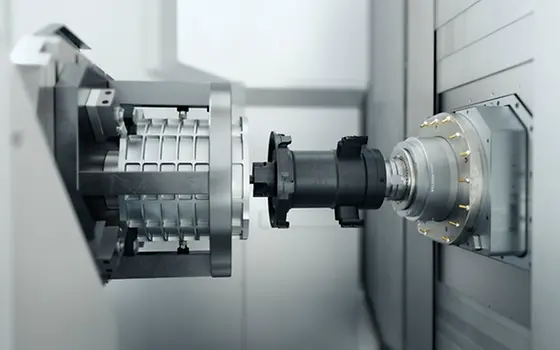
5-axis machining allows cutting tools to approach a workpiece from multiple directions.
This capability helps manufacturers produce complex components with fewer setups, depending on the design.
It can also improve accessibility to difficult-to-machine features and support efficient production of precision components.
Manufacturing Automation
Automation helps manufacturers streamline repetitive production tasks and improve workflow consistency.
Automated material handling, machine loading and production processes can reduce manual intervention while supporting more efficient manufacturing operations.
Process Integration
Combining multiple manufacturing operations within a coordinated production process can help reduce handling and unnecessary setups.
This approach supports better workflow efficiency and simplifies the production of complex components.
Digital Process Monitoring
Digital monitoring provides manufacturers with greater visibility into machining operations.
By tracking production conditions and process information, manufacturers can identify potential issues and make informed decisions to improve operational efficiency.
Applications of CNC Machining in Electric Vehicles
CNC machining supports various components used in electric vehicle manufacturing.
Electric Motor Components
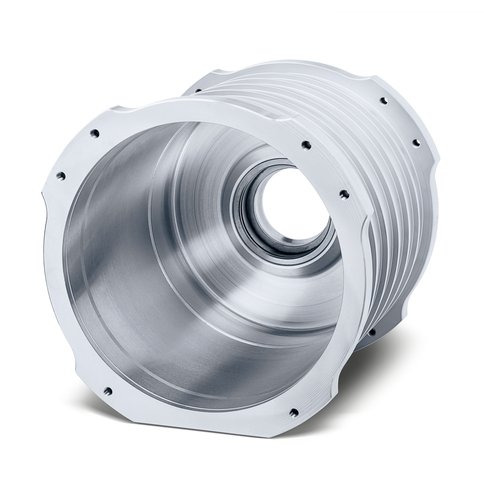
Precision machining helps produce motor housings, shafts and other mechanical components that require accurate dimensions and reliable fitting.
Battery Housings and Structural Components
Battery-related mechanical components often require lightweight construction, dimensional accuracy and appropriate structural performance.
Power Electronics Enclosures
CNC machining supports the production of precision housings and enclosures for electronic systems used in electric vehicles.
Prototypes and Development Parts
Engineers use CNC machining to create prototypes, evaluate designs and refine components before moving into production.
These applications demonstrate how precision machining contributes to different stages of electric vehicle development and manufacturing.
Building More Efficient and Flexible Manufacturing
The future of e-mobility manufacturing involves more than producing accurate components.
Manufacturers must also consider production efficiency, material usage, process flexibility and quality control.
Advanced CNC technologies can help address these requirements through improved machining capabilities, automation and digital process monitoring.
By selecting suitable materials, machining strategies and production methods, manufacturers can develop more efficient workflows while maintaining the quality required for their applications.
3D Printing Service Malaysia , 3D Printing service Singapore , 3D Printing service KL , 3D Printing service Selangor, 3D Scanning Malaysia
Why Partner with Projet ?
Selecting the right manufacturing technology is important—but choosing the right manufacturing partner is what truly drives success. Companies across the electronics, automotive, consumer products, aerospace, and medical industries trust Projet because we are more than just a supplier; we are a dedicated partner in their success.
Here’s what sets us apart:
A True One-Stop Solution
We provide a seamless experience by offering a comprehensive suite of manufacturing services under one roof. This integrated approach streamlines your supply chain and simplifies the journey from concept to a market-ready product.
Engineering Expertise You Can Count On
Our experienced engineering team acts as a dedicated extension of your own. We excel at solving complex manufacturing challenges and collaborate closely with you to optimize your designs for quality, cost-effectiveness, and manufacturability.
Flexible Production Volumes to Match Your Needs
Whether you require a single prototype or a high-volume production run, our manufacturing capabilities are designed to scale with your demands. We support your product’s entire lifecycle, from initial launch to full-scale production.
Rapid Turnaround for a Faster Time-to-Market
In today’s fast-paced market, speed is a crucial advantage. We deliver fast, transparent quotes and pride ourselves on our rapid turnaround times, helping you get your innovative products to market sooner.
3D Printing Services
Instant Price